


Priyadarshan Steps Away From Malamaal Weekly 2, Amit Joshi to Take Over Direction
The upcoming sequel to the 2006 comedy will move forward without its original director and reportedly lead actor Riteish Deshmukh, with a new cast and creative team planned for the project.
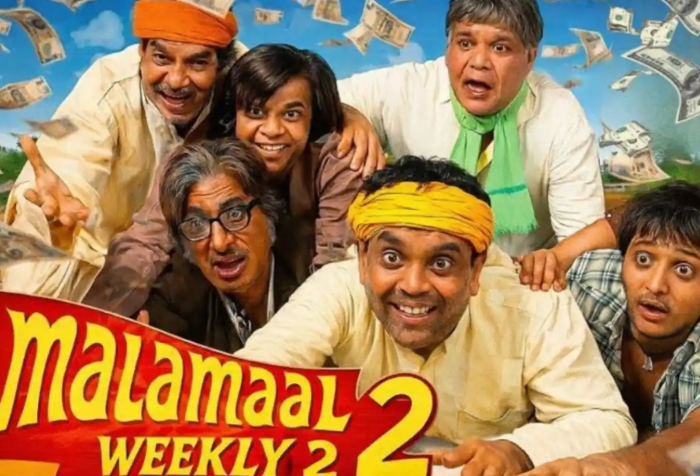
MUMBAI, Nov. 4: The proposed sequel to the popular 2006 comedy Malamaal Weekly is undergoing significant changes, with filmmaker Priyadarshan confirming that he will not return to direct the second instalment. Actor Riteish Deshmukh is also reportedly no longer associated with the project, which will now be directed by Amit Joshi.
Priyadarshan, who wrote and directed the original film, confirmed his decision while speaking to Variety India. The veteran filmmaker made it clear that he had decided against directing sequels, indicating that he would not be involved in continuing the comedy franchise.
The development marks a major change for the project, which was initially expected to build on the popularity of the original film. Priyadarshan’s departure means the sequel will have a different creative direction, while the reported exit of Deshmukh suggests that audiences may also see a completely new combination of performers.
Filmmaker Amit Joshi has been brought on board to direct Malamaal Weekly 2. Joshi previously co-directed Teri Baaton Mein Aisa Uljha Jiya, starring Shahid Kapoor and Kriti Sanon. His appointment signals a fresh approach to the comedy franchise, which is expected to retain some of the elements that made the first film successful.
According to reports, the casting process for the sequel has already been completed, and the production team is expected to announce the names of the actors soon. The new instalment is likely to introduce a different storyline while retaining the small-town atmosphere, financial temptations and humorous misunderstandings associated with the original.
Priyadarshan’s decision is consistent with his previously expressed views about continuing successful film franchises. The director has maintained that a sequel should offer a stronger story than its predecessor rather than simply depend on the popularity of an earlier production.
In an earlier interaction with Hindustan Times, he explained that he generally avoids sequels because the second instalment should justify its existence through a better narrative. He has argued that filmmakers should not return to a successful franchise unless they have developed a story capable of matching or surpassing the original.
His position reflects a broader debate within the film industry about the increasing dependence on sequels, remakes and established franchises. While such projects offer producers the advantage of an existing audience, they also create considerable expectations regarding storytelling, casting and entertainment value.
Malamaal Weekly, released in 2006, was among the notable comedy films of its time. The movie featured an ensemble cast led by Paresh Rawal, Om Puri, Riteish Deshmukh, Arbaaz Khan, Rajpal Yadav and Asrani.
The story revolved around a group of villagers who discover that one of the residents has won a lottery. The situation becomes complicated when the winner dies before collecting the prize, leaving the villagers struggling to decide how to claim the money.
Their attempts to keep the lottery winnings a secret lead to a series of misunderstandings, unexpected developments and comic situations. The characters become increasingly involved in a web of deception as each person tries to secure a share of the unexpected fortune.
The film’s humour came from the behaviour of ordinary people suddenly confronted with the possibility of becoming wealthy. Greed, fear, suspicion and the desire for financial security became the driving forces behind the story.
Although the film received mixed reactions from critics, it performed well commercially and developed a lasting following among audiences who appreciated its situational comedy and ensemble performances.
Paresh Rawal and Om Puri were particularly important to the film’s appeal, with their performances helping establish the humorous atmosphere. Deshmukh, Rajpal Yadav, Arbaaz Khan and Asrani added further comic elements through their respective characters.
The original production was adapted from the 1998 British comedy Waking Ned, which also centred on a lottery-winning village and the complications created by the discovery of the prize.
The concept subsequently inspired adaptations in several Indian languages. The Telugu version, Bhagyalakshmi Bumper Draw, was released in 2006, while the Kannada film Dakota Picture arrived in 2012. Priyadarshan also directed the Malayalam adaptation Aamayum Muyalum, released in 2014.
The success and continued recognition of the original Hindi film eventually created expectations for another instalment. However, the sequel will now have to establish its own identity without the filmmaker who created the original cinematic world.
Amit Joshi’s appointment brings a different filmmaking perspective to the project. His previous work includes the romantic science-fiction comedy Teri Baaton Mein Aisa Uljha Jiya, which explored an unusual relationship between a human character and a robotic companion.
That film demonstrated his experience in handling comedy through unconventional situations and character interactions. The challenge with Malamaal Weekly 2 will be to create a similarly engaging narrative while respecting the expectations associated with an established comedy title.
The decision to move ahead with a new cast could also provide opportunities for actors who have not previously been associated with the franchise. However, replacing performers from a film remembered for its ensemble chemistry may prove challenging.
The original film’s appeal was closely linked to the interaction between its characters. Its humour emerged from their contrasting personalities, individual ambitions and collective attempts to deal with an increasingly complicated situation.
The sequel’s writers will therefore need to develop characters and circumstances that can generate fresh comic situations rather than simply repeat the earlier storyline.
Reports suggest that the makers intend to preserve the small-town setting and the themes of financial temptation and human greed. These elements could provide a familiar foundation for the new story while allowing the production team to introduce contemporary situations and different character relationships.
The reported departure of Riteish Deshmukh is another important development. The actor played an important role in the first film, and his absence will mean that the sequel cannot rely on the same character combination.
No official explanation has been provided for his reported decision to leave the project. The production team is yet to formally announce the complete cast and other details concerning the sequel.
The changes also highlight the difficulties involved in bringing back a successful comedy after a considerable gap. Audiences often associate a particular film with its original director, actors and storytelling style. Any continuation must balance nostalgia with the need to offer something new.
For Priyadarshan, the decision represents a continuation of his preference for developing original stories instead of revisiting successful productions through multiple instalments. The director has worked across Hindi, Malayalam and other Indian film industries, creating several popular comedies and dramatic productions.
His filmography includes Hera Pheri, Hungama, Hulchul, Bhool Bhulaiyaa and Garam Masala, among other projects. These films have helped establish his reputation as one of the prominent comedy filmmakers in Indian cinema.
His decision to stay away from Malamaal Weekly 2 does not mean the project has been abandoned. Instead, the makers are proceeding with a new director and a revised creative team.
The sequel will have to attract both viewers familiar with the 2006 film and a younger audience that may be discovering the franchise for the first time. Its success will depend on the quality of the screenplay, casting choices and the ability to recreate the humour without relying entirely on memories of the original.
The production team is expected to share further information about the cast and storyline in the coming days. Until then, the project remains in development under Amit Joshi’s direction.
With the original director stepping aside, Malamaal Weekly 2 is entering a new phase. The upcoming announcement of its cast will provide a clearer picture of how the makers intend to carry forward one of the familiar comedy titles from the mid-2000s.
The biggest question surrounding the sequel will be whether its new creative team can recreate the entertaining atmosphere of the original while giving the story a fresh identity for contemporary audiences.

