


33% Women’s Reservation Sparks Row, Tharoor Initiates Dialogue with Mahila Congress
Congress backs women’s quota but questions Centre’s amendment plan and its wider political implications
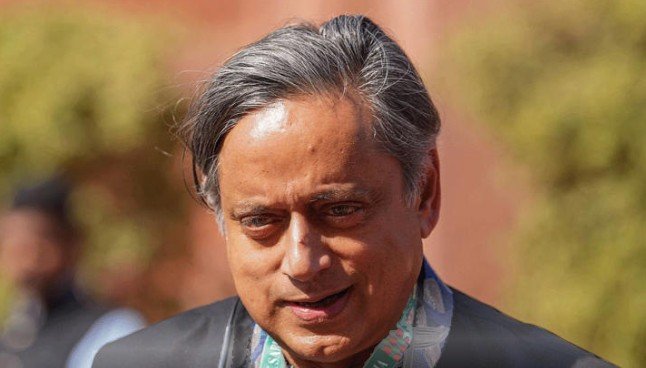
NEW DELHI: Senior Congress leader Shashi Tharoor on Saturday held discussions with representatives of the party’s women’s wing, reaffirming support for greater political representation for women amid rising concerns over proposed changes to the Nari Shakti Vandan Adhiniyam.
Sharing his views publicly, Tharoor conveyed that the party remains firmly aligned with the demand for women’s reservation and stands in solidarity with its Mahila Congress members. His outreach comes at a time when internal and external debates around the legislation have gained momentum.
The Congress Working Committee recently expressed reservations about the Centre’s approach, criticizing the proposed amendments as lacking transparency and broader consultation. While reiterating its long-standing position in favour of a one-third quota for women in legislative bodies, the party cautioned against procedural decisions that could alter the balance between states.
Highlighting historical context, Tharoor noted that the Congress had earlier taken concrete steps toward women’s reservation, including legislative efforts in Parliament over a decade ago. However, he flagged concerns that linking the law’s implementation with a future delimitation exercise might create disparities among states.
Party leaders have voiced apprehension that population based seat redistribution could disadvantage regions that have effectively managed population growth, particularly in southern and northeastern parts of the country. They also questioned the timing of the Centre’s move, suggesting it may carry political motives ahead of future electoral cycles.
Internally, the issue has also stirred unease. Allegations from former party functionary Hazeena Syed regarding inadequate representation for women candidates in recent elections have added another layer to the debate, reflecting dissatisfaction within certain sections of the organisation.
On the government’s side, preparations are reportedly underway to expand the strength of the Lok Sabha significantly, with a substantial share of seats earmarked for women. The framework stems from the Constitution (106th Amendment) Act, 2023, which aims to institutionalise gender representation but continues to invite scrutiny over its rollout strategy.
As discussions evolve, the proposed reforms remain a focal point in national politics, reflecting both a push for inclusivity and concerns over implementation fairness.

