


Assembly Session in Srinagar from Oct 23: MLAs Directed to Submit 10 Questions, One Bill, Two Resolutions
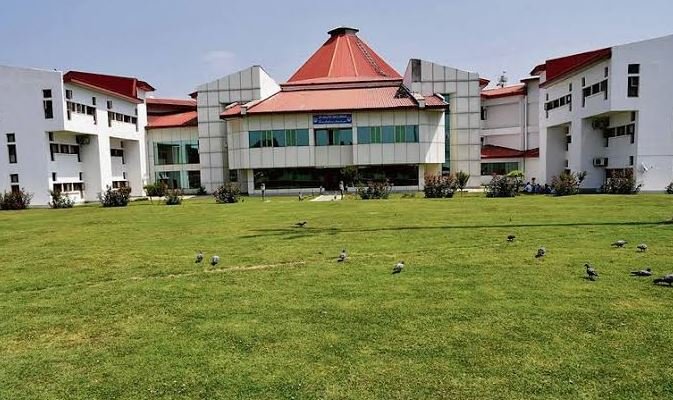
SRINAGAR, Sept 27: The Lieutenant Governor of Jammu and Kashmir has convened the next session of the Legislative Assembly in Srinagar on October 23 at 10 AM, setting the stage for an important legislative exercise in the Union Territory. The official order, issued under Section 18(1) of the J&K Reorganization Act, 2019, calls upon all members to attend the session at the designated date, time, and venue.
Following the announcement, the Assembly Secretariat has invited legislative submissions from all members, outlining clear procedural timelines. Each MLA has been asked to submit a total of 10 questions, five starred and five unstarred along with one private member’s bill by October 4. Additionally, members can submit up to two private member’s resolutions by October 7, the Secretariat said in its bulletin issued this evening.
This upcoming session is significant as it ensures compliance with the constitutional requirement of convening the Assembly within six months. The last sitting was held on April 28 in Jammu, during a special one-day session convened in the aftermath of the Pahalgam terror attack.
Sources indicated that the Assembly calendar, including the total number of sittings, will be finalized and released by the Speaker in the next few days. Early indications suggest that the autumn session will be relatively brief, spanning five to six sittings over a period of seven to eight days.
Legislative experts believe the session will focus on key policy discussions, budgetary matters, and pressing public issues, while also allowing private members a meaningful opportunity to introduce bills and resolutions. The structured invitation for questions and legislative inputs reflects a push for more substantive debates and participatory lawmaking, as the Union Territory navigates evolving governance priorities.
The Assembly Secretariat has urged all MLAs to adhere to the submission deadlines and actively participate in the proceedings, ensuring that legislative business is conducted efficiently and in the public interest.

