


Cardiac Suppliers Face Payment Crisis
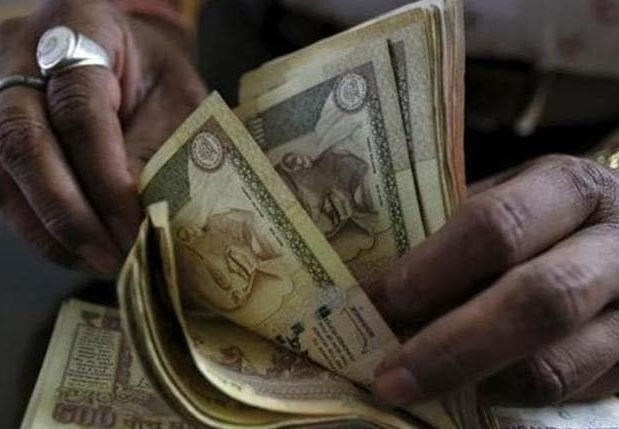
The supply challenges now affecting the Super Specialty Hospital in Jammu offer a gentle reminder of how interconnected and delicate our healthcare systems can be. For many months, MSME suppliers who provide vital cardiac devices have been waiting for payments that have not yet arrived, amounting to nearly thirty crore rupees under the Ayushman Bharat PM-JAY scheme. These small but dedicated suppliers have continued to serve the hospital with commitment, but the long delay has finally made it difficult for them to maintain regular supplies. As a result, some essential items have started to diminish, naturally causing concern among patients who depend on timely cardiac care, even as the government works toward a smooth resolution.
This situation is not simply about financial procedures but about the steady flow of materials that allow critical treatments to take place. Cardiac stents, balloons, catheters, and similar items are at the heart of emergency interventions. When these or their related items are not available, even briefly, it can disrupt the rhythm of medical operations and cause distress to patients and medical teams alike. The current difficulty has emerged from slow-moving reimbursements within various institutions, which have left suppliers unable to clear dues with manufacturers. This has led to temporary pauses in shipments, despite genuine efforts from all sides to keep services running smoothly. Many of the affected suppliers are small enterprises that operate with limited financial buffers. Their strength lies in their dedication to public healthcare and their close working relationship with hospitals. Even under strain, they have tried to continue delivering what they can because they understand how crucial their role is. But without timely payments, it becomes challenging for them to sustain operations without risking their own stability. Their experience highlights the need for a more seamless payment process so that all partners in the healthcare chain feel supported and valued. This moment also invites a broader look at how we manage essential medical supplies. Resilient healthcare does not rest only on equipment or infrastructure but also on the quiet, often unnoticed system that ensures shelves are stocked and emergency rooms are ready. Timely fund flow, clear communication and proactive planning can help prevent shortages and ease pressure on both suppliers and hospitals. Strengthening these areas will not only support patient care but also reinforce trust among those who keep the system functioning every day. The situation in Jammu also brings into focus the importance of building gentle, patient-centred policies that consider the realities of small suppliers. When they are paid on time, they are able to stock adequately, respond quickly and be confident that their partnership with public hospitals is secure. This sense of stability ultimately benefits everyone, especially patients who depend on uninterrupted medical support. What is heartening is the optimism that still exists among the supplier community. They have expressed readiness to resume full support as soon as the pending payments are cleared. Their willingness to continue partnering with the healthcare system shows a shared commitment to the well-being of the people of Jammu and Kashmir. With responsive action and open communication, the current gap can be bridged and normal operations restored smoothly.
As the issue moves toward resolution, it brings to light the importance of nurturing every link in the healthcare chain with care and attention. When payments flow on time and suppliers feel secure, hospitals can offer the uninterrupted care their patients deserve. This gentle but essential balance ensures that critical services continue to run with compassion, reliability and confidence. A timely clearance of pending payments by the J&K government is essential to restore supplies and ensure uninterrupted cardiac care for patients.

