


Strengthening City Infrastructure
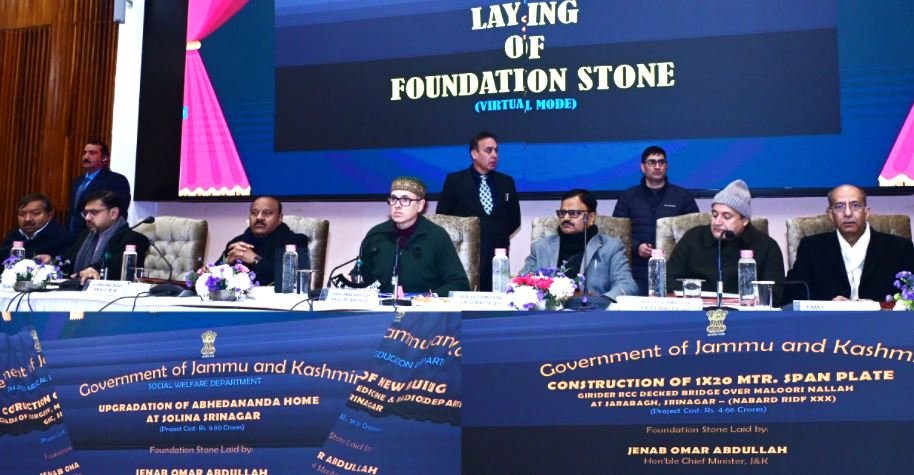
The recent e-inauguration and virtual foundation laying of development projects worth ₹37.92 crore in Srinagar reflect a calm and thoughtful effort to strengthen urban governance and public service delivery in Jammu and Kashmir. The use of digital platforms to initiate these works shows an evolving administrative approach that seeks efficiency while remaining responsive to public needs. For a city that continues to balance growth with environmental and infrastructural sensitivities, such initiatives carry meaningful promise.
Srinagar’s urban challenges are varied and interconnected. Growing population pressures have increased demand on healthcare services, road connectivity, public facilities, and civic infrastructure. The newly announced projects respond to these needs in a balanced manner, focusing on essential sectors such as medical education, health services, transport links, and social welfare facilities. Together, these investments aim to improve daily life while strengthening the city’s long-term capacity to serve its residents. A notable aspect of the development plan is its integrated outlook. Rather than treating infrastructure, healthcare, and social support as separate priorities, the initiatives seek to address them collectively. This reflects an understanding that sustainable urban development depends on coordination across sectors. Improved healthcare facilities, safer and more reliable bridges, and upgraded public institutions contribute not only to convenience but also to overall urban well-being. The use of virtual platforms for launching projects also enhances transparency and inclusiveness. By bringing stakeholders together through digital means, the administration ensures continuity in governance and clearer communication of development goals. Public announcements of costs and project scope help build confidence and encourage accountability as implementation moves forward. Equally important is the focus on livelihoods alongside infrastructure. The distribution of sanction letters under employment and agriculture-linked programmes underlines the belief that development must directly benefit people. Supporting youth and local entrepreneurs helps strengthen economic stability and ensures that public investment translates into opportunities on the ground. The emphasis on reviewing ongoing works and encouraging timely and efficient use of funds reflects a commitment to responsible governance. Attention to environmental concerns and traffic management further shows sensitivity to issues that directly affect the quality of urban life. Addressing these matters through long-term planning will be essential to sustaining the gains from new infrastructure. Overall, the ₹37.92 crore investment package represents a steady and considerate step toward improving Srinagar’s urban environment. While challenges remain, the focus on essential services, coordination, and accountability offers a positive direction. With careful implementation and continued engagement with citizens, these initiatives can gradually contribute to a more livable, resilient, and inclusive city.
The recent initiatives reflect the Jammu and Kashmir government’s sincere commitment to inclusive and people-centric development in Srinagar. The balanced focus on infrastructure, healthcare, and livelihoods deserves appreciation. Going forward, sustained monitoring, community participation, and environmentally sensitive planning will be vital to ensure timely execution, long-term impact, and that public investments continue to translate into lasting improvements in urban quality of life.

