


Mining Reforms On Track in J&K
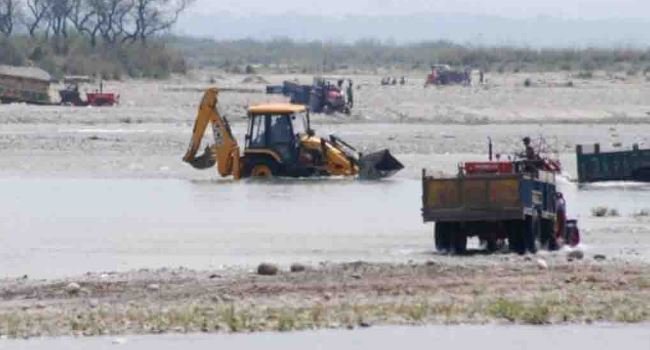
The mining sector in Jammu and Kashmir is gradually moving towards a more structured, transparent, and balanced model of governance, reflecting a welcome shift in how natural resources are managed and regulated. Over the years, mining has often been associated with concerns over environmental stress, revenue leakages, and uneven enforcement. The current reform-oriented approach offers an opportunity to address these challenges through thoughtful policy design, scientific planning, and responsible use of technology.
One of the most positive developments has been the move towards clearer policies and auction-based allocation of mineral blocks. This system encourages fairness, improves revenue discovery, and reduces ambiguity in decision-making. Going forward, these auctions could be further strengthened by ensuring wider dissemination of information, timely clearances, and consistent post-auction monitoring so that projects move from allocation to operation without avoidable delays. The growing emphasis on scientific assessment of mineral resources is another step in the right direction. Detailed geological studies help establish realistic reserve estimates, prevent overexploitation, and attract serious investors with long-term commitments. It would be beneficial to institutionalize periodic scientific reviews of mineral blocks so that extraction plans remain aligned with environmental capacities and changing ground realities, especially in ecologically sensitive areas. Technology-driven monitoring has begun to reshape enforcement practices in a constructive manner. Integrated digital systems that track mineral transportation, generate electronic challans, and provide real-time surveillance reduce dependence on manual checks and bring greater transparency. To make these systems more effective, continuous training of field staff and regular system audits could be prioritized, ensuring that technology remains a tool for facilitation rather than a procedural hurdle. The proposed universal adoption of GPS, RFID, and e-challaning for mineral transportation has the potential to significantly curb unauthorized movement of minerals. Alongside enforcement, a sustained awareness and outreach campaign for transporters, leaseholders, and local stakeholders would help build understanding and cooperation, making compliance smoother and more consistent across districts. Revenue mobilization, while essential for development, is most sustainable when supported by strong compliance and community confidence. Operationalizing non-functional mineral blocks and improving collection mechanisms can enhance revenues without increasing extraction pressure. At the same time, timely and visible utilization of funds through district mineral foundations can strengthen local support for regulated mining activities. Enforcement mechanisms such as quick response teams and on-the-spot digital penalties reflect an intent to respond swiftly to violations. These efforts could be complemented by preventive measures such as early warning systems, community reporting channels, and periodic joint inspections, creating a broader deterrence framework that relies as much on participation as on penalties.
Overall, the reform trajectory of the mining sector in Jammu and Kashmir appears to be moving in a constructive direction. By maintaining a careful balance between regulation and facilitation, strengthening scientific inputs, deepening the use of technology, and fostering stakeholder engagement, the region can move towards a mining ecosystem that is environmentally responsible, economically beneficial, and institutionally credible. Continued patience, coordination, and refinement of these reforms will be key to ensuring that mineral resources serve long-term public interest rather than short-term gains.

