


Mehbooba Mufti Warns FTAs Could Cripple Kashmir’s Apple Economy
Apple Import Duty Cuts Threaten Livelihoods of 15 Lakh Families: Mehbooba
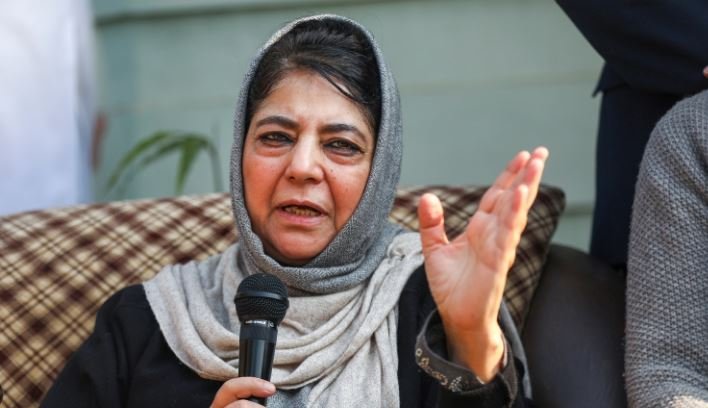
- PDP Chief Urges CM to Intervene Against FTAs Hurting Kashmir Horticulture
SRINAGAR, Dec 27: Peoples Democratic Party president Mehbooba Mufti on Saturday voiced strong opposition to any proposed Free Trade Agreements (FTAs) between India and major global economies including the European Union and the United States, warning that such deals could severely undermine Jammu and Kashmir’s horticulture-based economy.
Drawing parallels with the India–New Zealand FTA, Mufti said the agreement had already caused significant harm to apple growers in Kashmir by opening domestic markets to what she termed “unfair imports.” She expressed apprehension that similar concessions in import duties under new FTAs could further weaken the local apple industry.
In a post on social media platform X, the former Chief Minister said she was deeply concerned over reports suggesting a possible dilution of apple import duties in trade negotiations with Europe, the US and Chile. “A 25 per cent duty cut has already hurt Kashmir’s apple growers, exposing them to unfair imports,” she said.
Mufti cautioned that flooding Indian markets with cheaper imported apples would have devastating consequences for Jammu and Kashmir’s horticulture sector, which forms the economic backbone of the region. She pointed out that apple cultivation sustains nearly 15 lakh families across the Union Territory and any policy shift that threatens this livelihood could have far-reaching social and economic repercussions.
“This is not just about fruit, it is about livelihoods,” Mufti said, stressing that the impact of such trade decisions goes beyond commerce and directly affects farmers, transporters, traders and allied sectors dependent on horticulture.
The PDP chief urged Chief Minister Omar Abdullah to intervene and take up the matter with the Union Government, calling for immediate steps to safeguard the interests of local growers. She said the state leadership must ensure that trade policies do not sacrifice domestic producers for broader trade concessions.
Mufti reiterated that while international trade agreements may aim to boost economic ties, they must not come at the cost of vulnerable farming communities. She called for a balanced approach that protects domestic markets and ensures fair competition for local producers.

