


Supreme Court to hear wife’s plea against Sonam Wangchuk’s NSA detention on Thursday
Sonam Wangchuk’s wife moves Supreme Court alleging arbitrary use of NSA
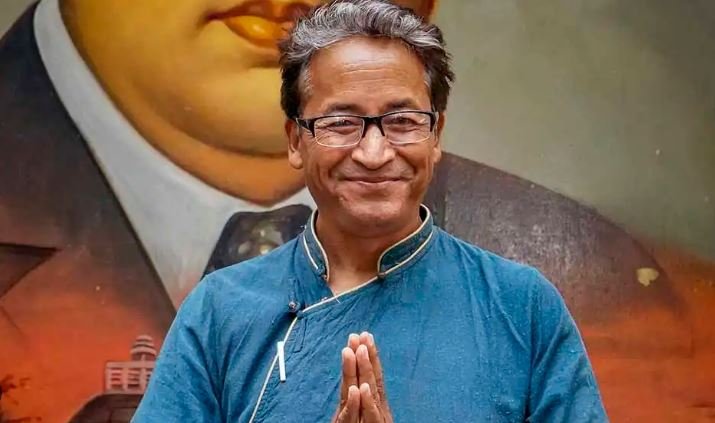
New Delhi, Jan 7: The Supreme Court on Wednesday adjourned to January 8 the hearing of a plea filed by Gitanjali J Angmo, wife of climate activist Sonam Wangchuk, challenging his detention under the stringent National Security Act (NSA).
A bench comprising Justice Aravind Kumar and Justice P B Varale deferred the matter after indicating that additional time was required to examine the case record in detail. Observing that Justice Varale wished to go through the matter, Justice Kumar suggested taking it up the next day, to which senior advocate Kapil Sibal, appearing on behalf of Wangchuk, agreed.
The plea was earlier heard by a bench of Justices Aravind Kumar and N V Anjaria. Angmo has challenged the detention as illegal and arbitrary, contending that it violates Wangchuk’s fundamental rights guaranteed under the Constitution.
Earlier, on November 24, the apex court had deferred the hearing after Solicitor General Tushar Mehta, representing the Centre and the Union Territory of Ladakh, sought time to respond to a rejoinder filed by Angmo. Prior to that, on October 29, the court had sought responses from the Centre and the Ladakh administration on the amended plea.
Wangchuk was detained under the National Security Act on September 26, two days after violent protests erupted in Ladakh over demands for statehood and Sixth Schedule status, leaving four people dead and around 90 injured. The authorities had accused him of inciting the violence, an allegation strongly contested by the petitioner.
According to the amended plea, the detention order is based on what it terms “stale FIRs, vague imputations and speculative assertions,” lacking any live or proximate link with the alleged grounds of detention. The plea asserts that such an exercise of preventive detention powers amounts to a gross abuse of authority and strikes at the core of constitutional liberties and due process.
Angmo further stated that it is implausible that Wangchuk, who has been recognised for over three decades at state, national and international levels for his contributions to education, innovation and environmental conservation, would suddenly be targeted in this manner. She maintained that the violent incidents in Leh on September 24 could not be attributed to Wangchuk’s actions or statements in any way.
The plea also noted that Wangchuk had himself condemned the violence through his social media platforms, stating that violence would undermine Ladakh’s peaceful “tapasya” and years-long struggle. Describing the day of the violence as the saddest of his life, Wangchuk had reiterated his commitment to non-violent methods, Angmo said.
The National Security Act empowers the Centre and state governments to detain individuals to prevent them from acting in a manner prejudicial to the defence of India, with a maximum detention period of up to 12 months, subject to earlier revocation under law.

