


Terrorist Recruitment in J&K Now ‘Non-Existent’, Says Army Chief Dwivedi
COAS says Western Front and Kashmir remain sensitive but under control; highlights drop in local militancy, improved security, tourism revival
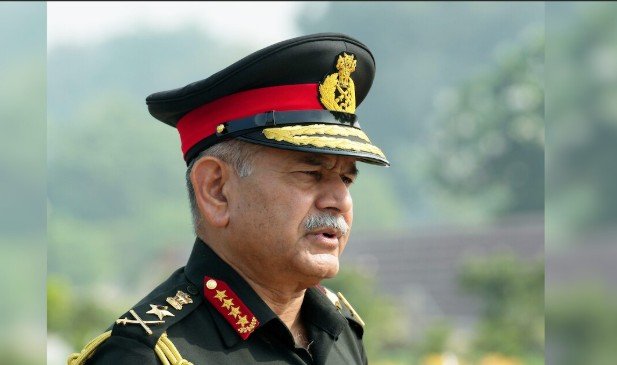
New Delhi, Jan 13: Chief of Army Staff (COAS) General Upendra Dwivedi on Tuesday said the security situation along the Western Front and in Jammu and Kashmir has remained “sensitive but firmly under control” since May 10, following India’s launch of Operation Sindoor targeting terror infrastructure deep inside Pakistan.
Addressing a press conference in New Delhi, the Army chief pointed to a significant improvement in Jammu and Kashmir, noting that terrorist recruitment in 2025 has been almost “non-existent”.
“In 2025, a total of 31 terrorists have been eliminated, of which 65 per cent were of Pakistani origin. This includes the three perpetrators of the Pahalgam attack, who were neutralised during Operation Mahadev,” General Dwivedi said. He added that the number of active local terrorists in the region has now fallen to single digits.
Highlighting the decline in fresh recruitment, the Army chief said only two local recruitments were recorded this year. “Terrorist recruitment is almost non-existent. This is a clear indicator of positive change in Jammu and Kashmir,” he said.
General Dwivedi linked the security gains to broader socio-economic improvements in the region, including increased development activity, the revival of tourism, and the peaceful conduct of the annual Amarnath Yatra. “More than four lakh pilgrims undertook the yatra this year, surpassing the five-year average. The shift from terrorism to tourism is gradually taking shape,” he said.
On the Northeast, the Army chief said a comprehensive multi-agency security grid involving the Army, Assam Rifles and the Ministry of Home Affairs is working to prevent spillover effects from the ongoing situation in Myanmar. He added that the successful completion of phase two elections in Myanmar could allow for more effective engagement going forward.
Commenting on the Northern Front, General Dwivedi said the situation remains stable but requires constant vigilance. “Apex-level interactions, renewed contact and confidence-building measures are contributing to gradual normalisation, enabling activities such as grazing and hydrotherapy camps along the northern borders,” he said, adding that deployment along the Line of Actual Control remains balanced and robust.
The Army chief also noted a marked improvement in the security situation in Manipur, attributing it to neutral and decisive action by security forces and proactive government initiatives. He cited the peaceful conduct of the Durand Cup, resumption of cultural festivals, and the renewal of suspension of operations agreements with Kuki insurgent groups as key indicators of stability.
On humanitarian assistance and disaster relief operations, General Dwivedi said the Army operated across two neighbouring countries and 10 Indian states, rescuing over 30,000 people. He added that in several border states, the Army responded even before formal requests were received, reaffirming its role as the country’s first responder during crises.

