


Roads for Rural Progress
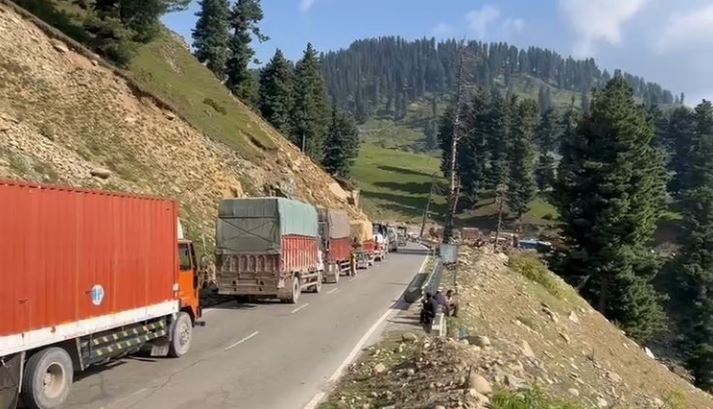
The decision to advance PMGSY–IV road projects worth over ₹16,000 crore in Jammu and Kashmir reflects a renewed institutional focus on rural connectivity as a foundation for inclusive development. In a region where geography has long shaped access to opportunity, the expansion of all-weather roads is not merely an infrastructure exercise but a transformative intervention that directly affects livelihoods, mobility, and social integration. By prioritizing habitations that have remained unconnected despite demographic growth, the programme seeks to correct structural gaps that have persisted for decades.
Rural roads carry a significance that extends beyond transport. For many villages, a reliable all-weather road is the difference between isolation and participation. It enables farmers to reach markets, students to attend schools regularly, and patients to access healthcare without uncertainty. Under PMGSY–IV, more than 1,600 habitations across Jammu and Kashmir are expected to benefit, many of them located in border and hilly districts where access has traditionally been difficult. For these communities, improved connectivity offers reassurance, stability, and a greater sense of belonging. The scale of the programme underlines its long-term intent. Thousands of kilometres of new roads, supported by clearly defined provisions for maintenance and renewal, point to an understanding that infrastructure must be sustained to remain meaningful. Roads that deteriorate quickly erode both utility and confidence. By planning for upkeep alongside construction, the programme aims to ensure that public investment continues to serve communities well into the future. Equally important is the method of prioritisation. Population-based eligibility, combined with a cluster approach, allows planning to be both inclusive and practical. The emphasis on aspirational districts, areas with higher Scheduled Tribe populations, and convergence with other development schemes suggests a desire to distribute benefits more equitably. In a region as diverse as Jammu and Kashmir, such thoughtful planning helps avoid one-size-fits-all solutions and instead responds to local realities. Institutional coordination has played a key role in advancing the programme. The involvement of multiple departments and technical agencies reflects an appreciation of the complexity involved in executing large infrastructure projects in challenging terrain. Progress in tendering and early execution stages indicates momentum, but careful oversight will remain essential. Weather conditions, land-related issues, and logistical challenges are part of the region’s reality, and addressing them patiently will be crucial to timely completion. Beyond the immediate benefits of mobility, the broader social and economic impact of rural roads is significant. Better connectivity supports local enterprises, reduces travel costs, and improves access to services that influence quality of life. For women and young people in particular, reliable roads can open pathways to education, employment, and wider participation in public life. Over time, such improvements can help reduce migration pressures and encourage more balanced development across regions. There is also a quieter yet important strategic value to enhanced connectivity, especially in border areas. Roads strengthen integration by bringing remote habitations closer to administrative and economic centres. They enable more consistent service delivery and improve emergency response, reinforcing both confidence and resilience within communities. The financial framework supporting PMGSY–IV reflects recognition of Jammu and Kashmir’s unique geographic challenges. The Centre and Union Territory cost-sharing arrangement provides necessary support, but the effectiveness of the programme will ultimately depend on transparent monitoring and quality assurance. Community awareness and involvement can further help protect road assets and ensure that maintenance needs are addressed promptly. PMGSY–IV represents an opportunity to demonstrate how infrastructure development can be steady, inclusive, and responsive. If implemented with care and consistency, these roads will not only connect villages to markets and services but also link aspirations with opportunity. In doing so, the programme has the potential to quietly but meaningfully contribute to rural transformation and long-term stability in Jammu and Kashmir.
The government’s focused push under PMGSY–IV deserves appreciation for addressing rural connectivity with vision and care. By combining substantial investment, thoughtful planning, and long-term maintenance, it reflects a sincere commitment to inclusive development and balanced growth. If sustained with consistent monitoring, this initiative can significantly improve livelihoods, strengthen regional integration, and bring lasting benefits to rural communities across Jammu and Kashmir.

