


Farmers’ Interests “Sold Out” in India-US Trade Pact, Claims Rahul Gandhi
Rahul Targets Modi Over Trade Deal, Raises Questions on Sudden Finalisation
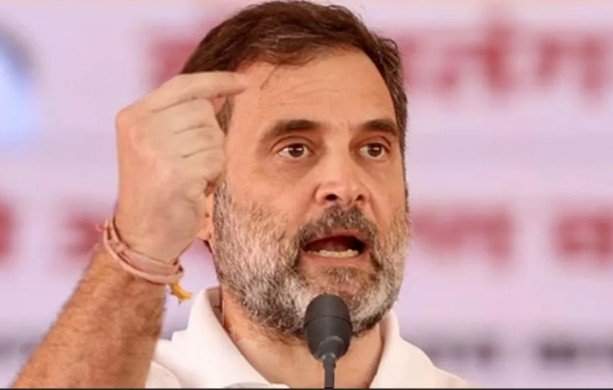
New Delhi, Feb 3: Congress leader Rahul Gandhi on Tuesday launched a sharp attack on Prime Minister Narendra Modi, alleging that the government bowed to pressure from the United States to finalise an India-US trade deal and, in the process, compromised the interests of Indian farmers and the nation.
Speaking to reporters in the Parliament House complex, Gandhi questioned the timing and circumstances under which the trade agreement was concluded, pointing out that negotiations had remained stalled for nearly four months before being suddenly finalised late Monday evening. He claimed that the abrupt breakthrough was not coincidental and suggested that “there was huge pressure on the Prime Minister” to move ahead with the deal.
The Congress leader expressed strong concern that the agreement would adversely impact Indian farmers, asserting that their years of hard work and sacrifice had been “sold out.” He said farmers must understand that the fruits of their labour, built through “blood and sweat,” had been compromised under the terms of the trade pact. Extending his criticism beyond the farming community, Gandhi alleged that the deal amounted to selling out the interests of the entire country.
When asked to elaborate on the nature of the pressure he was referring to, Gandhi pointed to developments in the United States involving industrialist Adani Group, stating that a case against Gautam Adani was underway in the US and suggesting that further disclosures could emerge from the so-called Epstein files. He alleged that these factors had placed the Prime Minister in a compromised position.
Gandhi also raised concerns about parliamentary functioning, stating that he was not allowed to speak in the Lok Sabha even after seeking to quote from an article that referenced former Army chief M.M. Naravane’s unpublished memoir. He described the situation as unprecedented, claiming that it was the first time in India’s history that the Leader of the Opposition had been prevented from speaking during the discussion on the President’s address.
The Congress leader said that Parliament should be a forum for open debate on issues of national importance, particularly when they involve the livelihoods of millions of farmers and the country’s economic sovereignty. He maintained that transparency around the trade deal and its implications was essential.
There was no immediate response from the Bharatiya Janata Party or the Union government to Gandhi’s allegations.

