


Russian Oil Sees Higher Demand in Asia, But Market Prices Stay Flat
Indian refiners seek prompt cargoes while Chinese demand stays cautious; prices remain largely stable despite geopolitical tensions.
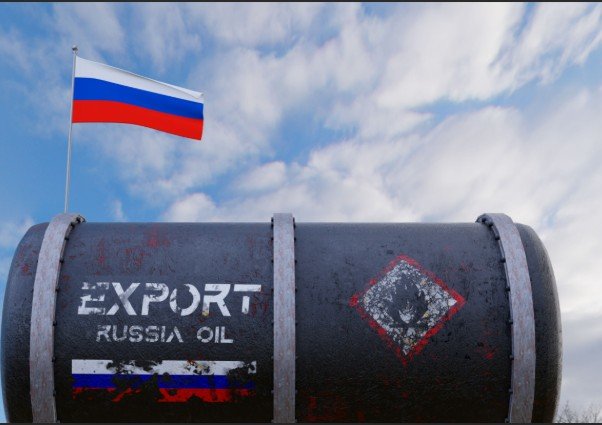
Russia, Mar 05 : Rising uncertainty over crude supplies from the Middle East is prompting refiners in Asia to explore additional purchases of Russian oil, although market prices have yet to show a significant reaction, traders said.
According to market participants, concerns about potential disruptions in shipments through the Strait of Hormuz have tightened the availability of Middle Eastern crude grades and pushed shipping costs higher. This has encouraged buyers in key Asian markets to look for alternative supplies.
Industry sources indicated that several Indian refiners have approached Russian sellers for prompt cargoes scheduled for March and April delivery. Discussions are also reportedly taking place with the government regarding the possibility of increasing imports from Russia if supply uncertainties in the Gulf region persist.
In China, interest in Russian crude remains visible but purchasing activity has slowed for now. Traders noted that Chinese buyers had already secured large volumes at discounted prices before the Lunar New Year, leaving them with sufficient inventories for the time being.
Market participants added that many buyers are hesitant to commit to higher-priced cargoes while global benchmark Brent crude remains at current levels. There is also an expectation in the market that the geopolitical tensions involving Iran could ease, which may stabilise supply flows.
Recent trade patterns show China absorbing additional Russian barrels that were previously directed to India. This shift has pushed China’s seaborne purchases of Russian crude to multi month highs, with shipments often sold at significant discounts.
Data from LSEG showed that the discount for Russia’s Urals crude loaded from Primorsk remained around $25–$26 per barrel below dated Brent, largely unchanged from recent estimates. Discounts for deliveries into Chinese and Indian ports have also remained broadly stable since the conflict began.
China and India continue to be the largest buyers of Russian oil. However, India’s imports are expected to decline in April due to scheduled maintenance at the Nayara Energy refinery, which is partly owned by Russia’s Rosneft and is a major purchaser of Russian crude.
Some other Indian refiners had initially planned to reduce their purchases as well, but the ongoing instability in the Middle East has prompted a reassessment of procurement strategies, traders said.
Meanwhile, Russian Deputy Prime Minister Alexander Novak stated that Moscow is prepared to expand oil supplies to both China and India if demand increases.

