


Moody’s Warns of Rupee and Inflation Risks for India Amid Middle East Energy Disruptions
Heavy reliance on crude and LNG imports from the region could widen India’s current account deficit and complicate monetary policy, the ratings agency says.
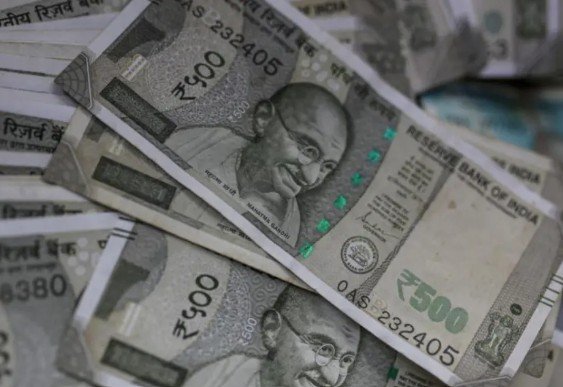
New Delhi, Mar 6: India may face rising inflation, pressure on the rupee and a widening current account deficit if the escalating conflict in West Asia disrupts energy supplies and pushes oil prices higher, according to a report by Moody’s Ratings.
The agency noted that India is among the major Asian economies most exposed to supply shocks from the Middle East because of its heavy reliance on crude oil and liquefied natural gas (LNG) imports from the region. Nearly 46 per cent of India’s oil and natural gas needs are sourced from Middle Eastern producers.
Moody’s warned that any sustained disruption in energy shipments could significantly raise import costs and weaken the domestic currency. Higher fuel prices would also fuel inflation and put pressure on government finances if authorities expand subsidies to shield consumers and industries from the impact.
Strait of Hormuz a major vulnerability
A key concern highlighted in the report is the Strait of Hormuz, a crucial maritime route for global oil and LNG shipments. The strategic waterway has been affected by the widening regional conflict, slowing vessel movement and interrupting exports from Gulf producers.
Although physical damage to energy infrastructure remains limited, shipping activity through the strait has largely stalled while some ports in the region have temporarily halted operations. These disruptions have already affected energy trade flows.
Moody’s said a prolonged interruption could tighten global supply and push Brent crude prices above USD 100 per barrel, which would intensify inflationary pressures worldwide and weaken economic growth.
Short disruption likely manageable
Under its baseline scenario, Moody’s expects the disruption to be temporary, with navigation through the Strait of Hormuz resuming within weeks. In that case, Brent crude prices could average USD 70–80 per barrel in 2026, only slightly higher than the USD 69 average recorded in 2025.
Strong global oil inventories and advance shipments by Gulf exporters could also provide a short-term cushion for markets and limit immediate economic damage.
Prolonged conflict could hit global growth
However, the ratings agency cautioned that a longer-lasting disruption would have wider economic consequences. Sustained high energy prices would increase production costs and consumer prices globally, reducing household purchasing power and dampening investment activity.
Such inflationary pressures could force central banks to maintain higher interest rates for longer, tightening financial conditions and slowing global economic expansion.
Moody’s added that energy-importing regions, particularly Asia and Europe, would be the most vulnerable if the crisis results in prolonged supply shortages and persistently elevated oil prices.

