


Israel Renews Assault on Lebanon After Netanyahu Warns of ‘Many Surprises’
Israel Intensifies Strikes on Lebanon as Regional Tensions Escalate
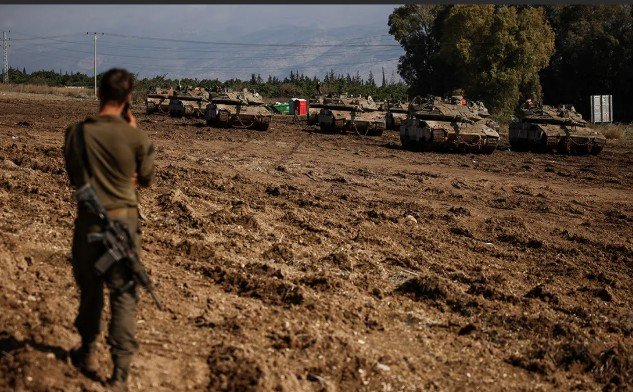
Dubai, Mar 8: Israel launched a fresh wave of strikes in southern Lebanon early Sunday, targeting suspected commanders linked to Iran’s Revolutionary Guards’ Quds Force. The escalation comes after Israeli Prime Minister Benjamin Netanyahu warned that the next stage of the conflict would bring “many surprises.”
The Israeli military said the operations were aimed at preventing Iranian-backed groups from strengthening their presence in Lebanese territory. According to officials, Israel will continue taking action against what it describes as “Iranian terrorist elements” operating in the region.
Oil Facility Hit in Tehran Amid Expanding Conflict
The renewed fighting follows an Israeli strike on Saturday that hit a major oil storage facility in Tehran. Large flames were seen rising from the site, which reportedly supplies fuel to the capital and nearby northern provinces. Iranian state media blamed the attack on the United States and Israel.
This appeared to be the first time a civilian industrial installation has been targeted since the war began.
Casualties Reported in Lebanon and Kuwait
Lebanon’s Health Ministry said Israeli airstrikes killed eight people in the south of the country. Local media also reported that a drone strike hit a hotel in Beirut, killing four people and injuring at least ten others. These deaths add to dozens reported in Israeli strikes a day earlier.
Meanwhile, Kuwait confirmed that two border guards were killed after missiles and drones struck areas near the frontier. Authorities said the guards died while carrying out their duties but released few additional details.
Iranian President Calls for Restraint
Iranian President Masoud Pezeshkian issued an apology on Saturday for attacks that affected neighbouring countries, even as Iranian missiles and drones continued to be launched across the region.
His comments highlighted divisions within Iran’s leadership. While Pezeshkian urged diplomacy and restraint, other senior officials signalled that the country’s military strategy would remain unchanged.
Responding to a demand from US President Donald Trump for unconditional surrender, Pezeshkian dismissed the call as unrealistic.
Revolutionary Guard Holds Key Military Power
Iran’s leadership council, formed after the death of Supreme Leader Ayatollah Ali Khamenei in the conflict’s opening strikes, appears to have limited authority over the Revolutionary Guard. The powerful paramilitary force controls Iran’s missile arsenal and plays a central role in regional operations.
Pezeshkian said the council had urged the armed forces to avoid targeting neighbouring states unless those countries initiated attacks, expressing hope that diplomacy could still end the crisis.
However, judiciary chief Gholam Hossein Mohseni-Ejei suggested that Iranian forces would continue hitting locations used by enemies in the region.
Embassy Strike in Baghdad Raises Concerns
In Iraq, security officials reported that a missile struck the helicopter landing area within the US Embassy compound in Baghdad’s heavily fortified Green Zone. No casualties were reported.
It marked the first strike to hit the area since the broader conflict began. Iraqi Prime Minister Mohammed Shia al-Sudani condemned the incident as a terrorist attack carried out by rogue groups.
Gulf States Also Targeted
The conflict has increasingly spread across the Gulf. The United Arab Emirates reported that debris from an aerial interception killed a driver, bringing the total number of deaths there to four since the fighting began.
Air defence systems in Bahrain were activated as Iran targeted the island nation. Saudi Arabia said it intercepted drones headed for the Shaybah oil field and shot down a ballistic missile aimed at Prince Sultan Air Base.
Kuwait also reported drones targeting vital infrastructure, including fuel storage facilities at Kuwait International Airport and a government building in Kuwait City.
Rising Death Toll Across the Region
Officials say the conflict has already caused significant casualties. At least 1,230 people have been killed in Iran, more than 290 in Lebanon and 11 in Israel. Six US troops have also died since hostilities began.
The widening violence has rattled global markets and raised fears that the war could escalate further across the Middle East.

