


Tulip Colouring Kashmir’s Spring
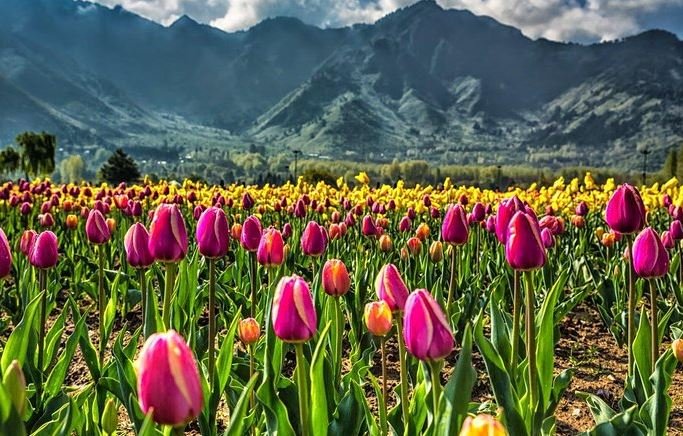
The opening of the Indira Gandhi Memorial Tulip Garden in Srinagar is much more than the start of a floral display. Over the years, it has become one of the most graceful symbols of spring in Kashmir and an important moment in the Valley’s tourism calendar. Each season, when the garden opens to visitors, it not only welcomes a new bloom of colour but also signals the beginning of fresh economic activity for a region where tourism supports hotels, transporters, local markets, artisans, and many other livelihoods.
Located at the foothills of the Zabarwan Range and overlooking the Dal Lake, the garden enjoys a setting that adds greatly to its charm and significance. Its beauty is immediate and appealing, but its role goes beyond visual attraction. Public spaces such as this help shape how a destination is remembered and experienced. In Srinagar’s case, the tulip garden has emerged as a refined image of seasonal beauty, civic care, and horticultural excellence, strengthening Kashmir’s long-standing connection with nature and landscape aesthetics. The scale and diversity of the garden add greatly to its appeal. With nearly 1.8 million tulip bulbs and around 70 to 75 varieties planted this season, the display offers a rich and vibrant experience for visitors. Such variety creates a stronger sense of wonder and makes the garden more memorable for tourists, photographers, and families alike. In today’s tourism environment, where visual experiences leave lasting impressions, a place like this helps Srinagar stand out as a destination with something unique and seasonally distinctive. At the same time, the tulip garden should not be seen only as a scenic attraction. It also plays a meaningful economic role. The opening of the garden draws early spring visitors and helps revive tourism-linked activity after the winter months. Hotels, guest houses, taxi operators, guides, photographers, food vendors, craft sellers, and nearby businesses all benefit from the increased movement of tourists. In this way, the garden acts as an early seasonal stimulus, helping the wider tourism economy regain momentum at the start of the travel season. There is also an important lesson in the success of this garden for urban planning and public spaces. Beautifully maintained horticultural sites can enrich a city’s character while also contributing to tourism in a natural and culturally rooted way. Srinagar’s tulip garden shows how thoughtful public investment, careful planning, and seasonal maintenance can create a place that is both aesthetically pleasing and economically valuable. It stands as an example of how civic design and environmental beauty can work together in a meaningful way. The role of the Floriculture Department in maintaining and enhancing the garden also deserves recognition. Tourism is often discussed in terms of roads, transport, and accommodation, but horticultural attractions are also an important part of destination identity. The care taken to preserve floral diversity, improve display density and maintain the overall experience reflects a sustained effort that contributes directly to Kashmir’s image as a welcoming and beautiful destination.
As the 2026 season begins, the tulip garden once again offers Kashmir a chance to present itself in a warm, colourful, and confident manner. Its importance lies not only in its beauty, but also in its ability to support livelihoods, strengthen the Valley’s identity and renew interest in Kashmir each spring. With continued care and thoughtful management, the garden can remain both a celebration of nature and a quiet but powerful driver of tourism and economic activity in the region. Going forward, the Jammu and Kashmir Government should further strengthen spring tourism around the Tulip Garden by improving visitor facilities, traffic management, parking, signage, and public amenities in and around the site. Better integration with local handicrafts, food stalls and cultural events can help extend economic benefits to surrounding communities. The Floriculture and Tourism Departments should also coordinate on sustained promotion, crowd regulation, and environmental upkeep so that the garden remains both visually stunning and visitor-friendly year after year.

