


Congress Criticizes Centre’s Move to Ease FDI Rules for China as “Calibrated Capitulation”
Congress Blasts Centre for Relaxing FDI Norms for China
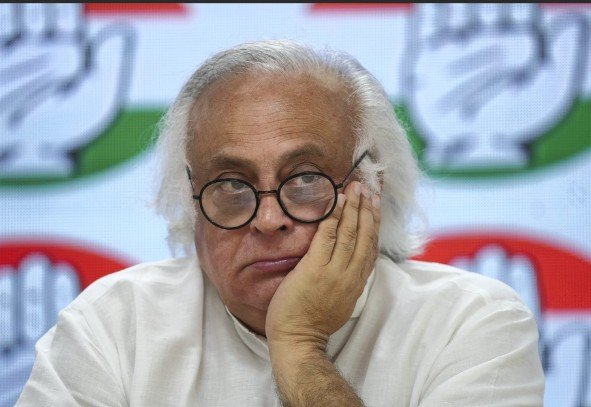
New Delhi, Mar 11 – The Congress on Tuesday criticized the Centre for easing foreign direct investment (FDI) regulations for China and other countries sharing land borders with India, calling it a “calibrated capitulation” by the Modi government.
What Changed in FDI Rules
The government has allowed overseas firms with up to 10% shareholding from China and other neighboring countries to invest in India without mandatory government approval. Previously, even a single share held by firms from these nations required clearance before investing in any sector.
However, other FDI rules, including sectoral caps and entry routes, will continue to apply to these investments. The amendment also clarifies the definition and criteria of ‘Beneficial Ownership’ under the Prevention of Money Laundering Rules, 2003, which will now be tested at the investor entity level.
Congress Reaction: “Calibrated Capitulation”
Congress general secretary in charge of communications, Jairam Ramesh, accused the Modi government of prioritizing Chinese interests over India’s. He said, “The decision to relax norms for FDI from China is very much part of the Modi government’s calibrated capitulation to a country that was given a clean chit by Mr Modi himself on June 19, 2020 – after 20 jawans were martyred in eastern Ladakh.”
Ramesh added that Sino-Indian ties are being normalized on Chinese terms, while India’s trade deficit with China reached over USD 115 billion in 2025. He also alleged that India lost patrolling rights in Ladakh’s Depsang, Demchok, and Chumar areas.
Historical Context and Trade Trends
India-China relations have been tense since the Galwan Valley clash in June 2020, which marked the deadliest military conflict between the two nations in decades. Following the clashes, India banned over 200 Chinese apps, including TikTok and WeChat, and rejected major Chinese investment proposals such as BYD’s electric vehicle project.
Despite limited FDI inflows from China, bilateral trade has expanded significantly. In 2024-25:
Exports to China fell 14.5% to USD 14.25 billion
Imports from China rose 11.52% to USD 113.45 billion
Trade deficit widened to USD 99.2 billion
During April-January 2025-26, exports rose 38.37% to USD 15.88 billion, imports increased 13.82% to USD 108.18 billion, leaving a trade deficit of USD 92.3 billion.
Political and Economic Implications
The easing of FDI norms comes at a politically sensitive time, as it signals a softening stance toward Chinese investors while domestic concerns over trade imbalance and national security persist. The Congress has vowed to hold the government accountable for this policy shift.

