


China Unhappy Over Last-Minute Rush to Arrange Xi–Trump Summit
Beijing fears rushed preparations may limit talks to trade deals, leaving major security issues unresolved
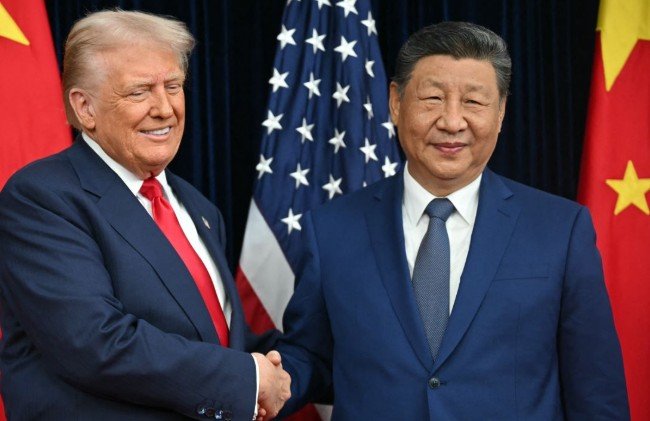
Beijing, Mar 11: China has expressed frustration over what it sees as inadequate preparation by the United States ahead of a planned summit between President Xi Jinping and former US President Donald Trump, raising concerns that the meeting may focus mainly on trade while overlooking broader diplomatic and security issues.
The high-level meeting is expected to take place on March 31, but Chinese officials believe the short preparation period and limited communication from Washington could restrict the scope of discussions.
According to people familiar with the preparations, Beijing is dissatisfied with the pace of planning and the lack of clarity regarding the United States’ expectations for the visit. Chinese officials have also noted the absence of the usual groundwork typically carried out ahead of such high-profile meetings.
Traditionally, China hosts senior US officials months in advance to lay the foundation for a state visit. Prior to Trump’s visit to Beijing in 2017, Washington had sent both the secretary of state and the commerce secretary to China to finalise key aspects of the engagement.
A White House official, however, said the Trump administration was comfortable with the current preparations and confident about both logistical arrangements and potential outcomes of the trip. China’s Foreign Ministry said the two sides remain in communication regarding the interaction between the leaders but did not provide further details.
An advance team of lower-level US officials arrived in Beijing earlier this month to begin preliminary coordination for the visit.
Despite concerns about limited preparation, both countries appear committed to holding the summit. US Treasury Secretary Scott Bessent and Chinese Vice Premier He Lifeng are expected to meet in Paris this weekend for another round of talks, primarily focused on trade issues.
Business agreements are likely to dominate the agenda of the summit. Reports suggest China could place a major order for about 500 aircraft from Boeing, while discussions may also include the possible export of advanced Nvidia H200 chips to non-military Chinese companies.
Other topics expected to feature in the discussions include Chinese investment in the United States, cooperation in electric vehicles and battery production, artificial intelligence, and people-to-people exchanges.
However, analysts in China have expressed concern that limited preparation time may prevent meaningful discussions on more sensitive geopolitical matters.
Wu Xinbo, director of the Center for American Studies at Fudan University in Shanghai, said Taiwan would likely remain Beijing’s top priority in any high-level dialogue with Washington.
The Taiwan issue has already surfaced in recent exchanges between the two sides. During a phone conversation last month, Xi reportedly urged Trump to handle the matter with caution, reiterating that Taiwan lies at the core of China’s national interests.
Meanwhile, planning for the summit coincides with intense political activity in Washington, including military operations involving Iran, attempts to reshape US tariff policies following a Supreme Court ruling, and diplomatic efforts to broker peace between Russia and Ukraine.
Observers note that the Trump administration often adopts a flexible and less scripted approach to diplomacy, which contrasts with China’s preference for detailed preparation and carefully structured engagements.
Despite the differences in approach, Trump has indicated that he intends to proceed with the trip and emphasised that the United States maintains a positive relationship with China.
Beijing has yet to officially confirm details of the summit, as Chinese authorities typically release the final itinerary for such visits only a few days before they take place. Officials had earlier suggested a later date for the visit to allow more time for preparations.

