


193 Opposition MPs sign notice seeking removal of Chief Election Commissioner Gyanesh Kumar
Rare parliamentary move as Opposition prepares removal notice against CEC Gyanesh Kumar
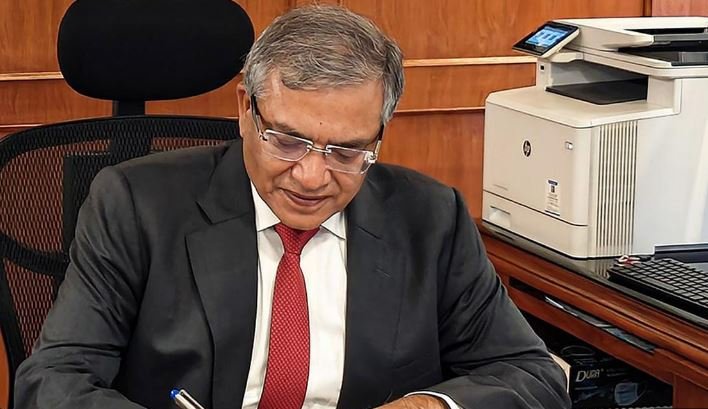
- INDIA bloc, AAP back motion to remove CEC amid poll panel controversy
New Delhi, 12-03-2026: In a significant and unprecedented move, 193 Opposition Members of Parliament have signed notices seeking the removal of Chief Election Commissioner Gyanesh Kumar, indicating a major escalation in the political battle over the functioning of the Election Commission. Sources said the notice carries the signatures of 130 Lok Sabha MPs and 63 Rajya Sabha MPs, comfortably crossing the minimum requirement needed to initiate such a process in both Houses of Parliament. The notice is expected to be submitted in at least one House on Friday, though there was no final clarity on whether it would be moved first in the Lok Sabha or the Rajya Sabha.
According to sources, MPs from all INDIA bloc parties have signed the notice, while lawmakers from the Aam Aadmi Party, though no longer formally part of the bloc, have also extended support by signing it. Opposition leaders said there was strong enthusiasm among MPs, with several members continuing to come forward to sign even after the required numbers had already been achieved. The development is being seen as the first known attempt to bring a formal notice in Parliament seeking the removal of a Chief Election Commissioner, giving the move considerable political and constitutional significance.
Highly placed sources said the notice contains seven charges against the Chief Election Commissioner, including allegations of partisan and discriminatory conduct in office, deliberate obstruction of investigation into alleged electoral irregularities and large-scale disenfranchisement. Opposition parties have repeatedly accused the Election Commission of favouring the ruling BJP, particularly in relation to the Special Intensive Revision of electoral rolls. Concerns have been especially sharp over West Bengal, where Trinamool Congress chief Mamata Banerjee has alleged that genuine voters are being deleted from the rolls.
The constitutional threshold for such a move is high. The Chief Election Commissioner can be removed only in the same manner and on the same grounds as a judge of the Supreme Court, namely proven misbehaviour or incapacity. A motion for removal may be introduced in either House of Parliament, but for it to succeed, it must be passed in both Houses by a special majority, which means a majority of the total membership of the House and a two-thirds majority of members present and voting. Under the procedure followed for such removal motions, if notices are given in both houses on the same day, a committee is constituted only after the motion is admitted in both Houses.
Although the numerical support gathered by the Opposition is enough to submit the notice, the path ahead remains constitutionally rigorous and politically difficult. Still, the move has sent a strong message about the level of distrust that sections of the Opposition have developed towards the poll panel’s functioning. It has also brought questions of electoral credibility, parliamentary procedure, and institutional accountability into sharper public focus. Whether the motion progresses or remains largely symbolic, it marks a serious moment in India’s parliamentary and electoral discourse.

