


Donald Trump Urges ‘About Seven’ Nations to Join Coalition to Police Iran’s Strait of Hormuz
US urges major energy-importing countries to help safeguard key shipping lane as regional conflict drives oil prices higher.
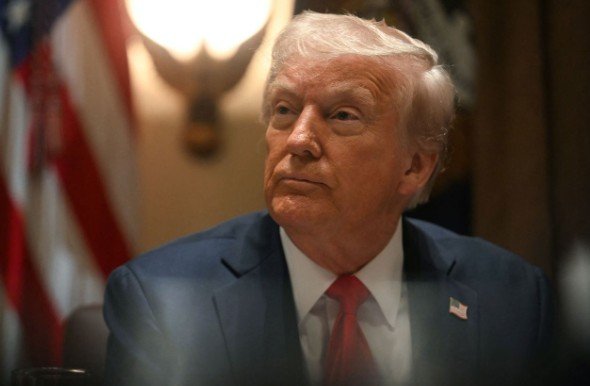
Cairo, Mar 16: US President Donald Trump said he has urged about seven countries that rely heavily on Middle Eastern oil to participate in a coalition aimed at securing the strategic Strait of Hormuz, through which roughly one-fifth of the world’s traded crude passes.
Speaking to reporters aboard Air Force One while returning to Washington from Florida, Trump said the responsibility to ensure the safety of the waterway should also be shared by nations that depend on it for energy supplies. However, he declined to disclose which countries are currently in talks with the US administration over the proposed maritime security effort.
The appeal comes as tensions in the region escalate and global oil prices surge amid the ongoing confrontation involving Iran and its regional adversaries.
The US president has reportedly reached out to several key economies — including China, France, Japan, South Korea and United Kingdom — urging them to deploy naval assets to ensure uninterrupted navigation through the waterway. None of the countries, however, offered immediate commitments.
Meanwhile, Iran signalled that it is considering requests from multiple countries seeking safe passage for their vessels through the strait. Iranian Foreign Minister Abbas Araghchi said Tehran has been approached by several governments and that the final decision regarding ship movements rests with Iran’s military authorities.
Iran has maintained that the strait remains open for global shipping but warned that US-linked vessels or those connected to its allies may face restrictions during the conflict.
Diplomatic responses to Trump’s proposal remained cautious. British Prime Minister Keir Starmer discussed the need to restore secure maritime traffic with Trump, while Beijing said it supports efforts to maintain stable energy supply and will continue diplomatic communication aimed at de-escalation.
France has also indicated it is working with partners in Europe and Asia on a potential escort mission for commercial vessels, although officials said such a step would depend on improvements in the regional security environment.
Germany ruled out direct involvement, with Foreign Minister Johann Wadephul stating that Berlin does not expect to become an active participant in the conflict.
Amid the crisis, the International Energy Agency announced that emergency oil reserves will soon be released into global markets to stabilise prices. The agency said nearly 412 million barrels from strategic stockpiles across Asia, Europe and the Americas would be gradually made available starting later this month.
Regional tensions have also intensified following fresh missile and drone attacks reported across several Gulf states, including Saudi Arabia, Kuwait and Bahrain. Iran earlier warned the United Arab Emirates to evacuate key ports after accusing the US of launching strikes on its major oil export terminal at Kharg Island.
The conflict has taken a heavy toll across the region. The International Committee of the Red Cross said more than 1,300 people have been killed in Iran, while civilian casualties have also been reported in Gulf countries and Israel as missile exchanges continue.

