


Panama Canal Runs at Full Capacity as Iran Conflict Drives Surge in LNG Traffic
Shift from Suez route boosts US gas shipments as global energy flows adjust to regional tensions
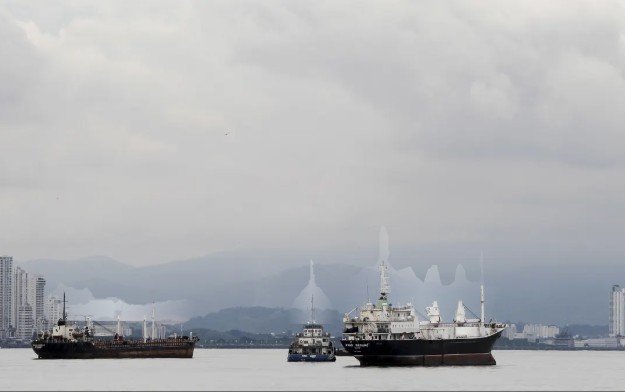
Iran, Mar 21 : The Panama Canal is currently functioning at maximum throughput, handling between 36 and 38 vessels daily, as global shipping patterns shift in response to the ongoing conflict involving Iran, according to canal administrator Ricaurte Vasquez.
The rise in liquefied natural gas (LNG) shipments particularly from the United States has significantly contributed to the increased traffic. With key maritime routes disrupted, shipping companies are increasingly turning to Panama as a reliable alternative for energy transport.
The closure of the Strait of Hormuz and reduced accessibility of the Suez Canal have forced many vessels to reroute, driving demand for the canal’s transit slots. This shift has positioned the waterway as a crucial link for delivering US LNG to international markets.
Authorities have already begun expanding LNG transit availability, planning to allocate one dedicated daily slot for such carriers—up from just a handful per month earlier. The increase reflects both rising demand and improved water levels following earlier drought-related restrictions.
Despite a scheduled maintenance program running through September, canal operations are expected to remain unaffected. Officials also noted that the seasonal dip in container traffic from Asia during early months has freed up additional capacity for energy shipments.
With global supply chains adapting to geopolitical disruptions, the Panama Canal continues to play a pivotal role in maintaining the flow of critical resources.

