


Youth Need Cultural Roots
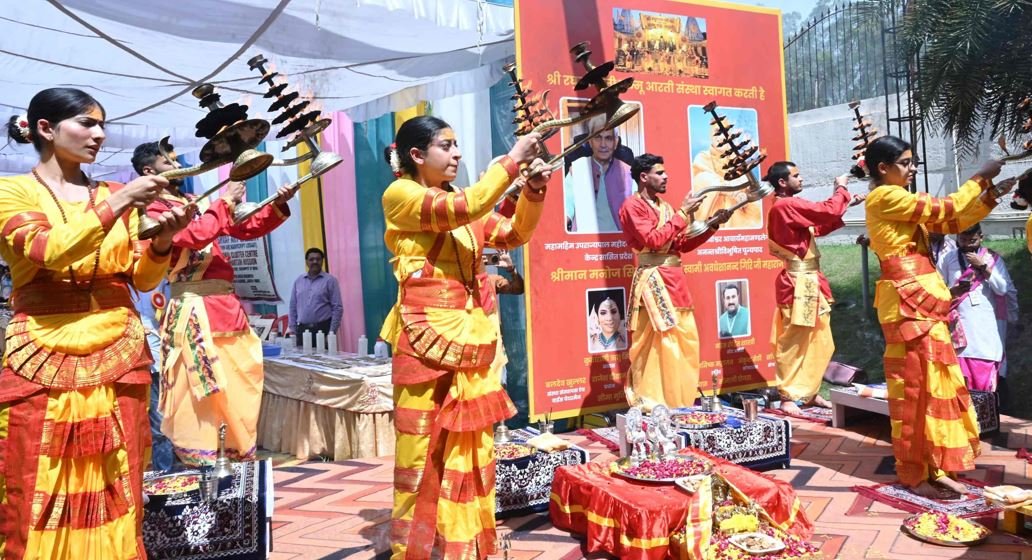
The Jammu Kashmir Cultural Festival highlights the deeper role that culture plays in public life, especially in a region as historically rich and emotionally significant as Jammu and Kashmir. Such events are not limited to performances or ceremonial gatherings. They create meaningful spaces where art, spirituality, and public identity come together, allowing communities to reconnect with their heritage and reflect on the values that shape their collective life. In this sense, the festival carries significance beyond celebration. It becomes a reminder that culture remains a living force capable of guiding society with continuity and confidence.
Jammu and Kashmir is home to a vibrant and diverse cultural inheritance expressed through language, music, crafts, folk traditions, and spiritual practices. These are not merely symbols of the past. They represent accumulated experience, social memory, and moral imagination carried from one generation to another. When such traditions are brought into public view through festivals, they are not simply displayed. They are renewed, honored, and shared with a wider society. This helps strengthen regional identity while also preserving the continuity of values that might otherwise fade in the rush of modern life. In today’s rapidly changing world, this role of cultural festivals becomes even more important. Many traditional forms of expression face the risk of being overshadowed by uniform patterns of global culture and fast-moving digital influences. Younger generations, in particular, often grow up at a distance from local traditions unless meaningful efforts are made to reconnect them with their roots. This is where festivals such as the Jammu Kashmir Cultural Festival become valuable. They show that tradition is not a barrier to progress but a source of wisdom, creativity, and self-confidence. They help present heritage in a way that feels relevant to contemporary life. The importance of youth in this process cannot be overlooked. A society that encourages its younger generation to understand its cultural roots often creates stronger foundations for innovation and responsible citizenship. Heritage gives young people a sense of belonging and perspective. It helps them understand that they are part of a wider civilizational journey shaped by ideas, ethics, and artistic expression. When they are inspired to draw strength from that inheritance, they are more likely to contribute to society with maturity and imagination. In this way, cultural awareness can support both personal growth and social transformation. Spirituality also remains an important part of this larger cultural framework. In the Indian tradition, art, culture, and spiritual thought have long supported one another. This has given public life a depth that goes beyond material achievement. In Jammu and Kashmir, too, spiritual traditions have influenced community life, values, and social relationships. A cultural festival that acknowledges this dimension helps restore a sense of balance by reminding society that compassion, inner discipline, and moral reflection continue to matter. Such values are especially relevant at a time when public life can often become harsh, hurried, and overly transactional. There is also a wider significance for the nation. A strong and confident country is not defined only by economic growth or technological advancement. It is also shaped by how well it preserves its cultural memory, respects local traditions, and carries its civilizational values into the future. Festivals that celebrate folk arts, honour spiritual traditions, and create public participation contribute meaningfully to this broader idea of nation-building. They ensure that progress remains connected to identity and that development does not become detached from the values that sustain society. For Jammu and Kashmir, this is particularly important. The region’s future depends not only on infrastructure and policy but also on confidence, cohesion, and a shared sense of belonging. Public celebrations of culture can nurture these qualities by creating spaces of pride, participation, and mutual understanding. They help communities feel seen, valued, and connected to both their own heritage and the larger national story.
The Jammu Kashmir Cultural Festival should therefore be seen as a meaningful public effort that brings together memory, identity, and aspiration. It shows that a society grows stronger when it remains rooted in its values while looking ahead with openness and hope. In a time of rapid change, such initiatives offer reassurance, purpose, and a gentle reminder that the path to a brighter future often begins with a deeper understanding of one’s own cultural soul.

