


Congress Calls Pakistan’s Role in US-Iran Talks a ‘Monumental Blow’ to Modi’s Diplomacy
Opposition questions India’s foreign policy approach as Islamabad emerges central to ongoing US-Iran negotiations
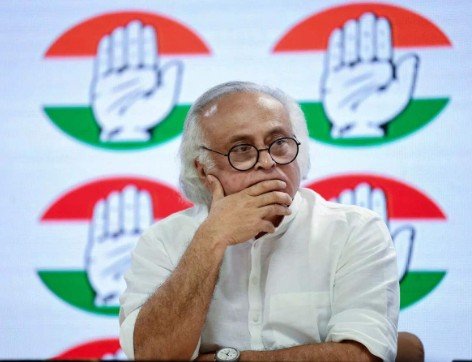
New Delhi, Apr 20: The Congress on Monday launched a sharp political attack on the Centre, arguing that Pakistan’s emerging role in facilitating dialogue between the United States and Iran reflects a serious diplomatic challenge for India and exposes gaps in its foreign policy strategy.
Senior Congress leader Jairam Ramesh criticized the government, stating that Islamabad’s involvement in hosting negotiations marks a significant shift in regional dynamics. He suggested that the growing engagement between Pakistan and Washington, particularly with military leadership playing a visible role, signals a setback for India’s diplomatic positioning.
Taking to X, Ramesh questioned the effectiveness of India’s global outreach, arguing that the country has not succeeded in isolating Pakistan diplomatically despite repeated efforts over the years.
Pakistan’s Strategic Position Draws Attention
The remarks come as Pakistan hosts fresh efforts to revive dialogue between the United States and Iran. According to political observers, Islamabad’s role as a venue for these sensitive discussions has elevated its strategic relevance, at least temporarily, in West Asian geopolitics.
Ramesh pointed out that despite facing significant economic challenges, Pakistan has managed to position itself as a facilitator in high-stakes international negotiations. He also referred to recent financial assistance received by Islamabad from allied nations, underscoring its dependence on external support while simultaneously engaging in diplomatic initiatives.
Leadership and Diplomatic Strategy Under Scrutiny
The Congress leader also raised concerns about India’s broader foreign policy framework under Prime Minister Narendra Modi, arguing that both the “substance and style” of engagement need reassessment. He claimed that India’s current approach has not effectively countered Pakistan’s international outreach or narrative-building efforts.
In particular, Ramesh highlighted the perceived closeness between Pakistan Army chief Asim Munir and US President Donald Trump, describing it as a development that could influence regional power equations.
According to him, this evolving dynamic suggests that Pakistan has been able to engage more effectively with key stakeholders in Washington, raising questions about India’s diplomatic strategy in managing global relationships.
Uncertain Future of US-Iran Engagement
The criticism coincides with renewed attempts by Washington to reinitiate dialogue with Tehran. Earlier rounds of talks held in Islamabad did not produce a breakthrough, but fresh negotiations are expected as efforts continue to prevent further escalation.
While the United States has indicated that its representatives will participate in the next round, there remains uncertainty over Iran’s involvement, leaving the outcome of the talks unclear.
Broader Implications for Regional Politics
Analysts believe that Pakistan’s involvement in facilitating such discussions may be tactical rather than long-term, but it nonetheless highlights shifting alliances and the fluid nature of global diplomacy.
The Congress has used the development to call for a comprehensive review of India’s external engagement strategy, emphasizing the need for recalibration in an increasingly complex geopolitical landscape.
As diplomatic activity intensifies, the situation underscores how regional rivalries, global power dynamics, and strategic negotiations continue to intersect, shaping the broader narrative of international relations in South Asia and beyond.

