


No More Waivers: US Signals End to Iran and Russia Oil Exemptions
Temporary exemptions near expiry as Washington prioritizes economic pressure despite global market concerns
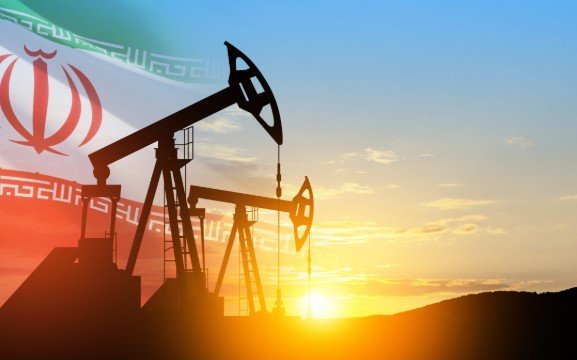
US, Apr 25 : In a significant policy shift, the United States has indicated that it will not extend existing waivers permitting limited purchases of Russian and Iranian oil, marking a tougher stance on global energy sanctions. The announcement was made by Treasury Secretary Scott Bessent during a recent interaction with the Associated Press.
Bessent confirmed that the waiver allowing transactions involving Russian oil already in transit will not be renewed once it expires. He also dismissed any possibility of relief for Iranian oil shipments, stating that such considerations are no longer under review. According to him, existing restrictions are already having a direct impact on Iran’s oil production capacity.
The decision comes amid heightened geopolitical tensions in West Asia, particularly following disruptions in the Strait of Hormuz, a critical route for global crude shipments. Earlier this year, the US had temporarily allowed limited oil trade from Russia to stabilize international prices after crude rates surged beyond $100 per barrel due to supply uncertainties.
Despite earlier indications that the waiver mechanism might be phased out, Washington had extended limited relief last week. The updated authorization permitted purchases of Russian oil cargoes that had already been loaded onto vessels, with the provision set to remain valid until mid-May. This move replaced an earlier exemption that had expired in April.
Explaining the temporary extension, Bessent revealed that appeals from economically vulnerable nations played a key role in the decision. During meetings held alongside global financial institutions, several low-income countries requested support to manage rising energy costs. Responding to these concerns, the US allowed a short-term continuation of the waiver to ease immediate pressure.
However, the administration now appears firm on ending such concessions. Bessent emphasized that most of the oil already at sea has been absorbed by the market, reducing the need for further flexibility. He suggested that continuing waivers would undermine the broader objective of applying sustained economic pressure on Moscow and Tehran.
The move signals a recalibration of the US oil waiver policy shift, balancing humanitarian considerations with strategic goals. Analysts believe the decision could tighten global supply conditions in the short term, potentially influencing oil prices and energy security for import dependent nations.
At the same time, Washington maintains that its priority remains enforcing sanctions effectively to counter geopolitical risks. With no further extensions expected, countries reliant on discounted Russian or Iranian oil may now need to explore alternative sources to meet their energy demands.
As the waiver deadline approaches, global markets will closely monitor the impact of this policy shift on crude prices and supply chains, especially in regions already facing economic fragility.

