


Oil Prices Surge 5% Amid Reports of Missile Strike on US Warship
Iran-US tensions raise fears of prolonged shipping crisis
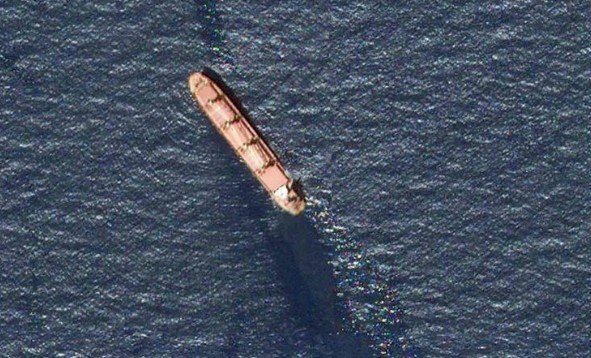
US, May 05 : Oil prices jumped more than five percent on Monday after reports emerged of an alleged confrontation involving a United States warship near the Strait of Hormuz, intensifying fears of major disruptions to global energy supplies through one of the world’s most critical shipping corridors.
Brent crude futures climbed by $5.52, or 5.1 percent, reaching $113.69 a barrel by 1025 GMT after settling lower in the previous session. U.S. West Texas Intermediate crude also surged $5.10, or nearly 5 percent, to trade at $107.04 a barrel, reversing Friday’s losses.
The sharp rise followed reports by Iran’s Fars news agency claiming that an American warship attempting to pass through the Strait of Hormuz was forced to retreat after ignoring warnings issued by Iranian forces. The report further alleged that two missiles struck the vessel near the Iranian port city of Jask.
Iran’s navy later stated that it had blocked the entry of U.S. warships into the Strait of Hormuz region, escalating already heightened tensions in West Asia.
However, the reports could not be independently verified. A senior U.S. official quoted by Axios denied claims that any American naval vessel had been hit.
Despite conflicting accounts, oil traders reacted strongly to the possibility of an extended disruption in the Strait of Hormuz, a narrow but strategically vital waterway through which nearly a fifth of the world’s oil supply passes daily.
Analysts warned that any prolonged restriction in maritime movement through the strait could significantly tighten global crude supplies and push prices even higher in the coming weeks.
UBS analyst Giovanni Staunovo said the market outlook remained tilted toward further gains as long as shipping activity through the Strait of Hormuz continued to face obstacles.
The market had already been trading higher earlier in the day due to ongoing logistical disruptions and mounting geopolitical risks in the Gulf region.
U.S. President Donald Trump announced that Washington would begin efforts to assist commercial vessels stranded near the Strait of Hormuz. However, investors remained cautious as there appeared to be no immediate signs of de-escalation or a diplomatic breakthrough between Tehran and Washington.
Iranian military officials responded by warning U.S. forces against entering the strait, stating that any perceived threat would receive a “harsh response.”
The worsening security situation has also complicated attempts to revive negotiations surrounding Iran’s nuclear program. While the Trump administration has prioritized securing a new nuclear agreement with Tehran, Iranian officials reportedly want any talks delayed until the conflict subsides and restrictions affecting Gulf shipping are removed.
Further concerns emerged after the United Kingdom Maritime Trade Operations agency reported that a tanker near Fujairah in the United Arab Emirates had been struck by unidentified projectiles while transiting regional waters.
The incident added to fears among shipping operators and oil traders that commercial vessels navigating Gulf routes could increasingly become targets amid the escalating conflict.
Meanwhile, the Organization of the Petroleum Exporting Countries and its allies, collectively known as OPEC+, announced on Sunday that seven member nations would raise oil production targets by 188,000 barrels per day in June.
The increase marks the third consecutive monthly output hike by the producer alliance. However, analysts believe much of the additional supply may fail to reach global markets if instability around the Strait of Hormuz continues to disrupt transportation routes.
The planned increase also reflects adjustments following the United Arab Emirates’ exit from OPEC on May 1.
Energy experts noted that geopolitical tensions, rather than production policy changes, are currently driving oil prices. As uncertainty deepens across Gulf shipping lanes, traders are closely monitoring military developments and diplomatic signals for clues about the future direction of global energy markets.

