


US Declares End to Iran Military Campaign as Regional Tensions Continue
Washington Signals Shift From Combat to Strategic Pressure
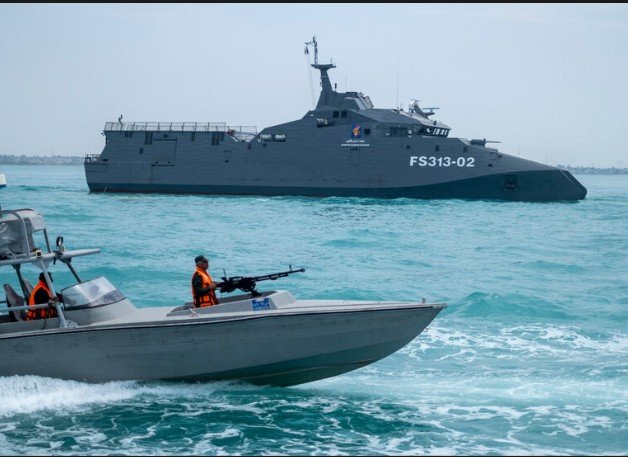
US, May 06 : Although major combat operations have ended, the Strait of Hormuz continues to be one of the world’s most dangerous maritime flashpoints. The narrow waterway carries nearly one-fifth of global oil shipments, making any disruption a serious threat to international energy markets and global trade.
US military forces remain actively deployed in the region under “Project Freedom,” a naval security mission focused on protecting commercial shipping and preventing further Iranian interference.
Marco Rubio stressed that the current American military posture is purely defensive.
“There’s no shooting unless we’re shot at first,” Rubio clarified. “We’re not attacking them.”
Despite these assurances, shipping activity through the corridor remains heavily restricted. Pentagon officials confirmed that only a limited number of commercial vessels have successfully crossed the protected maritime route in recent weeks. Many cargo carriers continue to remain stranded in Gulf waters due to fears of drone attacks, naval mines, and possible missile strikes.
Defense Secretary Pete Hegseth acknowledged the fragile security situation and warned that US forces remain fully prepared for rapid military action if tensions intensify again.
The ongoing instability has kept global oil markets nervous, with energy traders closely monitoring every development around Hormuz.
Ceasefire Holds, But Regional Threats Continue
Missile Interceptions Raise Concerns Across Gulf States
Focus Keyphrase: Middle East ceasefire tensions
Even though a ceasefire agreement has technically been in effect for several weeks, the broader Gulf region continues to experience military instability and security threats.
The United Arab Emirates announced that its defense systems intercepted multiple drones and missiles allegedly launched from Iranian-backed positions earlier this week. Iranian officials denied responsibility for the attacks, further complicating diplomatic efforts to ease tensions.
Meanwhile, the United States Central Command (CENTCOM) has maintained a heightened military presence throughout the Gulf, deploying additional surveillance aircraft, naval patrols, and missile defense systems to allied nations.
Security analysts warn that while large-scale combat may have paused, the risk of smaller proxy attacks and maritime confrontations remains extremely high.
The fragile ceasefire is increasingly being viewed as a temporary pause rather than a permanent resolution to the crisis.
United Nations Pushes for Tougher Action Against Iran
New Resolution Could Increase International Pressure
Focus Keyphrase: UN action against Iran
The United Nations Security Council is now considering a new resolution backed by the United States and several Gulf allies aimed at increasing diplomatic pressure on Tehran.
The proposed measure would demand that Iran halt all attacks on commercial shipping routes and disclose the locations of naval mines reportedly deployed near the Strait of Hormuz.
Diplomatic sources indicate that the resolution may invoke Chapter VII of the UN Charter, a powerful legal mechanism that allows the international community to authorize sanctions, military enforcement, or other coercive actions if compliance is refused.
If approved, the move could dramatically raise the stakes between Iran and Western powers, potentially opening the door to another phase of confrontation.
Several nations have expressed concern that further escalation could destabilize global energy markets, disrupt international trade, and deepen existing geopolitical divisions in the Middle East.
For now, the US administration insists it is prioritizing diplomacy while maintaining military readiness across the Gulf region. However, with tensions still simmering around Hormuz and regional mistrust continuing to grow, the possibility of renewed conflict remains a major international concern.

