


Global Oil Prices Surge as Middle East Tensions Raise Supply Concerns
Energy markets react sharply after renewed instability in West Asia sparks fears of disruptions in global crude supply routes.
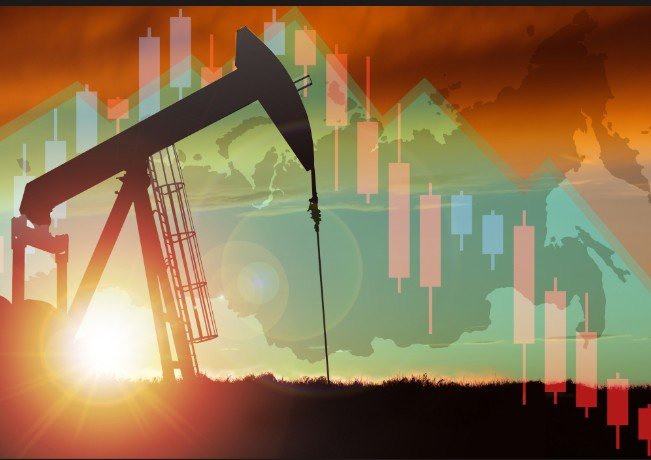
LONDON — International oil prices climbed sharply on May 6 and 7, 2026, after escalating tensions in West Asia triggered concerns over potential disruptions to global energy supplies.
Benchmark crude futures recorded gains of more than five percent during volatile trading sessions as investors closely monitored developments involving regional security and shipping routes. Market analysts warned that continued instability could significantly affect fuel costs, inflation rates, and economic growth worldwide.
The latest surge followed reports of increased military activity and heightened diplomatic tensions involving several countries in the Gulf region. Energy traders reacted quickly amid fears that shipping lanes critical to global crude exports could face disruptions.
The Strait of Hormuz, one of the world’s most important oil transit chokepoints, again became the focus of global attention. Nearly one-fifth of the world’s oil supply passes through the strategic waterway, making any potential threat to maritime traffic a major concern for global markets.
Energy experts said uncertainty rather than actual supply shortages was largely responsible for the sudden spike in prices. However, they warned that prolonged geopolitical instability could create real supply pressures if shipping or production operations are affected.
Several major economies, including the United States, China, India, and European Union nations, are closely monitoring the situation due to concerns over rising fuel prices and inflationary pressure.
Stock markets across Asia and Europe experienced mixed reactions as investors weighed the possible impact of higher energy costs on industrial production and consumer spending. Airline and transportation companies also faced renewed concerns over operational expenses.
Oil-exporting nations meanwhile welcomed the price increase, though some governments expressed concern that extreme volatility could negatively affect long-term economic stability.
International diplomatic efforts intensified during the week as global leaders called for restraint and peaceful dialogue to avoid further escalation. The United Nations urged all parties to prioritize regional stability and maintain secure maritime trade routes.
Economists warned that another prolonged oil shock could complicate recovery efforts for countries already struggling with inflation and slow growth. Central banks may face additional challenges in balancing interest rate policies against rising energy costs.
Consumers in several countries have already started experiencing increases in fuel prices, raising concerns about transportation expenses and the broader cost of living.
Analysts also highlighted how global energy markets remain highly vulnerable to geopolitical developments despite increased investment in renewable energy and diversification efforts.
As diplomatic negotiations continue, financial markets are expected to remain highly sensitive to any developments in the Middle East. Traders and governments alike are preparing for possible volatility in the weeks ahead.

