


Trump Warns Iran Ceasefire on ‘Life Support’ Amid Rising Gulf Tensions
Fresh uncertainty over the Strait of Hormuz and renewed military threats trigger fears of a wider Middle East conflict and global oil disruption.
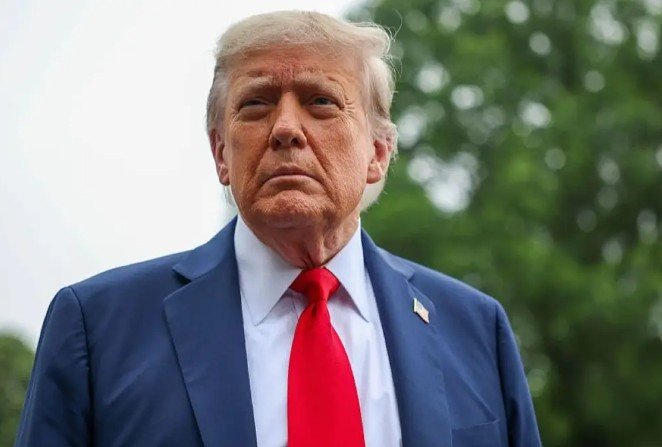
WASHINGTON/TEHRAN, May 13 : The fragile ceasefire between the United States and Iran appeared close to collapse on May 12 after US President Donald Trump declared that the truce was “on life support,” escalating fears of renewed confrontation in the Gulf region.
The remarks came after Washington reportedly rejected a new Iranian proposal aimed at easing tensions and reopening the Strait of Hormuz, one of the world’s most critical oil shipping routes. Trump’s statement intensified market anxiety, with crude oil prices surging sharply amid concerns over supply disruptions and military escalation.
Iranian officials warned that any additional military pressure from the United States or its regional allies would invite a “surprising response.” The sharp rhetoric underscored the deep mistrust between both sides despite weeks of indirect diplomacy and temporary de-escalation efforts.
The crisis has already begun impacting the global economy. Saudi energy giant Saudi Aramco warned that prolonged disruption in the Strait of Hormuz could remove nearly 100 million barrels of oil from global supply chains every week. Energy analysts cautioned that fuel prices could climb dramatically if maritime traffic remains unstable.
Reports also suggested that Gulf nations, including the United Arab Emirates, may have played a covert military role in recent operations targeting Iranian infrastructure. Though no official confirmation has emerged, the developments point toward widening regional involvement in the conflict.
The uncertainty has triggered nervousness in financial markets worldwide. Asian currencies weakened, global equities witnessed volatility, and major economies dependent on imported energy began assessing emergency contingency plans.
The Middle East situation has also reshaped diplomatic priorities across Europe and Asia. Several governments have urged restraint and called for immediate negotiations to prevent another prolonged regional war.
Security experts believe the coming days will be critical in determining whether diplomacy can survive or whether the region is heading toward another cycle of military confrontation.

