


US Dollar Steady Amid Iran War Uncertainty and Global Rate Outlook
Currency markets remained cautious on Monday as investors weighed developments in U.S.-Iran negotiations, oil market volatility, and upcoming economic data that could shape interest-rate decisions by major central banks.
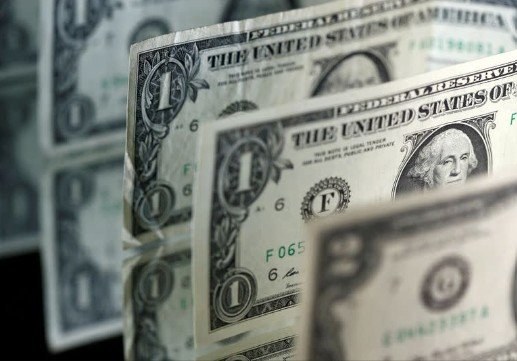
U.S, June 01 : The U.S. dollar traded in a narrow range at the start of the week as investors closely monitored diplomatic efforts in the Middle East and awaited key economic indicators that could influence monetary policy across major economies.
Currency markets showed limited movement after the greenback recorded a weekly decline, reflecting growing optimism that ongoing negotiations between Washington and Tehran could ease tensions in the Gulf region. Market participants are particularly focused on developments surrounding the Strait of Hormuz, one of the world’s most strategically important energy shipping routes.
Investor sentiment remained fragile after crude oil prices climbed in early trading following reports of intensified military activity involving Israeli forces and Hezbollah fighters in southern Lebanon. The renewed geopolitical uncertainty kept traders cautious despite expectations that diplomatic channels may help prevent a broader regional escalation.
Attention is now centered on a potential agreement that could extend the current ceasefire arrangement between the United States and Iran. Reports indicate negotiators are working toward a temporary framework that would allow commercial traffic to move normally through the Strait of Hormuz while discussions continue on more complex security and political issues.
Market analysts noted that the outcome of these talks could significantly influence global energy prices and, by extension, inflation expectations. A sustained decline in oil prices would likely reduce inflationary pressures and allow central banks to focus more closely on domestic economic conditions.
The U.S. dollar index, which measures the currency against a basket of major peers, remained largely unchanged after last week’s decline. Investors appeared reluctant to take aggressive positions ahead of several major economic events scheduled this week.
Among the most closely watched releases will be the U.S. employment report for May. Economists expect moderate job growth and a stable unemployment rate, figures that could offer fresh clues about the strength of the American labor market and the future path of Federal Reserve policy.
Federal Reserve officials have recently signaled that inflation risks linked to higher energy prices remain a concern. While policymakers had previously discussed the possibility of easing monetary policy, the outbreak of conflict in the Middle East has complicated that outlook by raising concerns about renewed price pressures.
Analysts believe stronger than expected employment data could reinforce expectations that U.S. interest rates may remain elevated for longer. Conversely, weaker figures could revive speculation about policy adjustments later in the year.
The euro edged lower against the dollar as investors assessed comments from European Central Bank officials. Policymakers in the eurozone continue to emphasize the need to keep inflation under control, suggesting further policy tightening remains a possibility despite slowing economic growth across parts of Europe.
In Asia, the Japanese yen remained under pressure against the dollar ahead of a highly anticipated speech by Bank of Japan Governor Kazuo Ueda. Financial markets are looking for guidance on whether Japanese policymakers are prepared to move forward with another interest-rate increase.
Sources familiar with internal discussions suggest that while officials continue debating future policy actions, there is growing support for slowing the pace of reductions in government bond purchases. Such a move would signal a cautious approach as the central bank evaluates economic conditions and financial market stability.
Meanwhile, Japan’s government confirmed substantial intervention in foreign-exchange markets during the previous month. Authorities spent trillions of yen supporting the national currency amid concerns about excessive volatility and the yen’s prolonged weakness against major global currencies.
The Australian dollar remained relatively stable, reflecting balanced market sentiment toward commodity-linked currencies. New Zealand’s dollar, however, slipped modestly as investors sought safer assets amid lingering geopolitical uncertainty.
Financial markets are expected to remain highly sensitive to headlines from the Middle East throughout the week. Any breakthrough in diplomatic negotiations could ease pressure on energy markets and shift investor focus back toward economic fundamentals and central bank policy decisions.
For now, traders are balancing two major themes: geopolitical risks that could fuel inflation and economic data that may determine the direction of global interest rates. The interaction between these factors is likely to shape currency market movements in the days ahead.

