


Rupee Faces Fresh Pressure as Oil Prices and Global Uncertainty Weigh on Markets
Currency movement remains under close watch as traders assess energy costs, foreign investment flows, and monetary policy expectations.
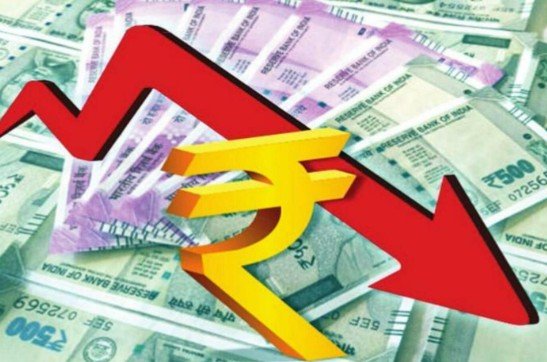
Mumbai, June 02 : The Indian rupee remained under pressure during the opening days of June as global market uncertainty, elevated energy prices, and foreign investor outflows influenced sentiment across financial markets.
Currency traders reported increased volatility as investors reacted to developments in international energy markets and geopolitical tensions. The rupee weakened against the US dollar, prompting market participants to closely monitor the Reserve Bank of India’s next policy decisions.
One of the key factors affecting the currency has been the sharp rise in crude oil prices. Since India imports a substantial portion of its energy requirements, higher oil prices increase import costs and widen the trade deficit. This, in turn, places additional pressure on the domestic currency.
Foreign institutional investors have also remained cautious amid global uncertainty. Selling activity by overseas investors has contributed to volatility in equity markets and influenced currency movements. Market experts note that capital flows remain highly sensitive to global interest rate expectations and geopolitical developments.
The Reserve Bank of India has reiterated its commitment to maintaining orderly market conditions. Analysts believe the central bank possesses adequate foreign exchange reserves and policy tools to manage excessive volatility while allowing market forces to determine currency levels.
Financial markets are particularly focused on the upcoming monetary policy review. Investors are looking for signals regarding inflation, liquidity management, and measures that could support currency stability. Many economists expect policymakers to maintain a balanced approach that supports growth while safeguarding macroeconomic stability.
Importers have increased hedging activity to protect themselves against potential fluctuations in exchange rates. Export-oriented companies, however, may benefit from a relatively weaker rupee, which can improve competitiveness in international markets.
Banking and financial institutions continue to monitor developments closely. Corporate treasury departments have also intensified risk management efforts to navigate uncertain market conditions.
Despite current pressures, experts emphasize that India’s long-term economic fundamentals remain strong. Healthy foreign exchange reserves, stable financial institutions, and sustained economic growth provide a buffer against external shocks.
Market participants expect currency movements to remain influenced by global developments, particularly energy prices and investor sentiment. Policymakers will continue to focus on maintaining stability while supporting economic growth objectives.
The coming weeks are expected to be crucial as markets assess the impact of international events on domestic financial conditions and the broader economic outlook.

