


Trump to Attend NATO Summit in Turkey This July, Says Rubio
U.S. President to join NATO leaders in Ankara as debates over burden-sharing, Middle East security, and transatlantic cooperation take center stage.
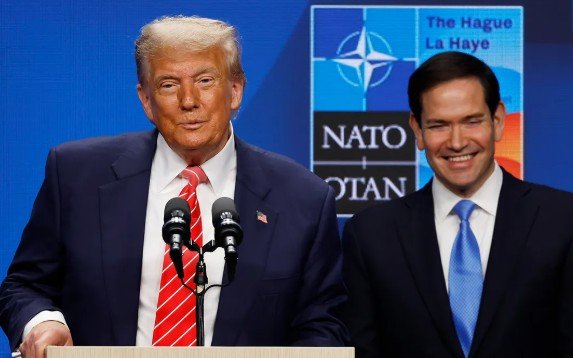
WASHINGTON, June 04 : U.S. President Donald Trump is set to attend the upcoming NATO Heads of State Summit in Turkey next month, a move that reassures member nations amid growing questions about Washington’s commitment to the military alliance.
The confirmation came from U.S. Secretary of State Marco Rubio during a congressional hearing on Wednesday, where he emphasized that the United States remains actively engaged within NATO despite recent disagreements between the administration and several allied governments.
Trump’s attendance carries significant diplomatic weight following months of criticism directed at NATO partners. The president has repeatedly argued that some alliance members have failed to adequately support American led security initiatives, particularly during recent tensions involving Iran and maritime security operations in the Middle East.
Rubio acknowledged these concerns, explaining that Washington’s frustrations stem largely from restrictions imposed by certain allies on the use of military facilities and logistical support during periods of international crisis. According to the secretary of state, these issues have created serious debates about collective responsibility within the alliance.
Despite those disagreements, the administration views the Ankara gathering as an opportunity to address unresolved concerns and strengthen coordination among member states. Rubio told lawmakers that the summit would provide a platform for frank discussions on defense commitments, strategic cooperation, and future security challenges confronting the alliance.
The debate intensified after several NATO countries declined to participate directly in military actions linked to the Iran conflict. Some governments restricted access to their airspace, while others chose not to contribute naval assets to operations aimed at safeguarding commercial shipping routes through the Strait of Hormuz.
European governments have generally favored diplomatic engagement and regional stability efforts over direct military involvement. Many leaders remain cautious about becoming entangled in conflicts that could escalate unpredictably across the Middle East.
Trump has frequently challenged NATO members to increase their contributions and share a greater portion of collective defense responsibilities. Earlier this year, he warned that long-standing security arrangements needed reassessment if allies continued to depend heavily on American military resources without offering comparable support during international crises.
The NATO summit, scheduled for July 7–8 in Ankara, is expected to attract leaders from all 32 member countries. Discussions are likely to focus on defense spending, regional conflicts, energy security, military readiness, and the future direction of the alliance.
Rubio described the upcoming meeting as one of the most consequential gatherings in NATO’s recent history, suggesting that important policy differences and strategic questions require immediate attention. Observers believe the summit could help shape the alliance’s approach to global security challenges for years to come.
As geopolitical tensions continue to evolve, the Ankara meeting is expected to serve as a key test of unity among NATO members and a critical moment in defining the future of transatlantic cooperation.

