


French Open Quarterfinal Race Tightens as Top Seeds Survive Tests and Clay Specialists Rise
Long baseline exchanges, heavy topspin, and physical recovery become the defining themes as the second week intensifies in Paris.
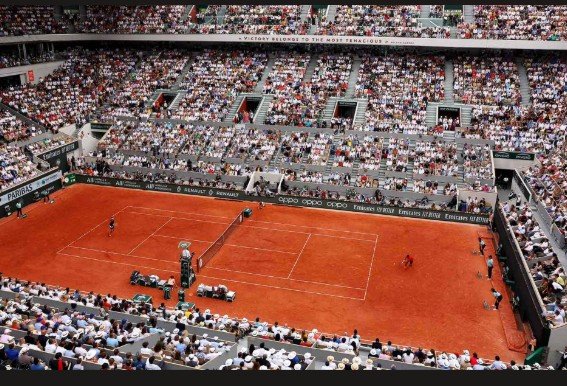
India, June 04 : The second week of the French Open took shape on 3–4 June 2026 with several leading contenders advancing, though few enjoyed straightforward passages. Roland Garros continued to reward patience, physical endurance, and point construction, and the men’s and women’s draws alike produced matches where momentum changed repeatedly over three demanding sets or more.
Top seeds survived stern tests from aggressive baseliners who attacked second serves and tried to shorten rallies. The favorites ultimately advanced by improving first serve percentages in key games and extending exchanges until errors arrived. Coaches emphasized that Paris rewards disciplined shot selection: forcing winners too early on clay often backfires.
Clay specialists also made their presence felt. Players with heavy topspin forehands and strong movement through the corners repeatedly dragged opponents into exhausting patterns. Several lower seeded contenders used that formula to threaten or eliminate higher ranked rivals, reinforcing the tournament’s reputation as the major most willing to expose technical weaknesses.
Recovery has become almost as important as tactics. Teams are paying close attention to hydration, sleep, and between match workloads as temperatures fluctuate and match durations lengthen. A player emerging from a four-hour battle may arrive at the next round with less physical reserve than a seed who won in straight sets, regardless of ranking.
The quarterfinal race now features a compelling mix of established champions, hard-court stars adapting well to clay, and specialists whose games are built for the surface. Analysts expect the later rounds to hinge on three factors: first-serve reliability under pressure, the ability to defend wide positions without surrendering court control, and recovery between matches.
For neutral fans, the tournament’s appeal lies in exactly that balance. The biggest names remain alive, but the draw still contains enough dangerous clay court operators to make every quarterfinal berth feel earned rather than assumed.

