


US Micro Reactor Breakthrough Signals New Era in Nuclear Energy, India Emerges as Key Partner
Advanced reactor technology reaches a crucial milestone as Washington looks to expand nuclear cooperation with New Delhi and other emerging energy markets.
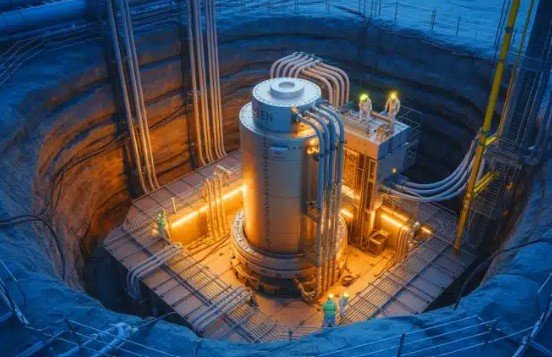
US, June 08 : A new chapter in global nuclear energy development opened after a privately built American micro-reactor achieved first criticality, a major milestone that demonstrates the viability of next-generation nuclear technologies. The development has drawn attention in India, where policymakers are pursuing an ambitious plan to increase nuclear power generation and diversify clean energy sources.
The Mark-0 reactor developed by Antares Nuclear achieved a self-sustaining nuclear chain reaction ahead of schedule, reinforcing growing confidence in compact reactor technologies. Industry leaders in the United States have described the achievement as a significant moment in the country’s nuclear revival after decades of limited innovation in reactor deployment.
The breakthrough comes at a time when India is targeting 100 GW of nuclear capacity by 2047. New Delhi is also developing indigenous small modular reactor designs for industrial use and hydrogen production. Experts believe advanced reactors could help meet rising energy demand while supporting decarbonisation goals.
US industry representatives have identified India as a major future market for both large and small reactors. The development is expected to deepen strategic cooperation in energy, technology and industrial manufacturing between the two countries.
The growing interest in micro reactors reflects changing global energy priorities. Unlike traditional nuclear plants, these systems are designed for flexible deployment, remote operations and industrial applications requiring reliable round the clock power.
As nations search for cleaner energy alternatives, advanced reactor technologies are increasingly being viewed as a bridge between energy security and climate commitments. The latest American breakthrough is likely to accelerate international discussions on reactor exports, technology partnerships and regulatory frameworks for the next generation of nuclear power.

