


Tamil Nadu Makes Physical Education Mandatory for Classes 6 to 12, Setting New Benchmark for Student Wellness
The state's latest initiative seeks to integrate fitness, health awareness and holistic development into mainstream school education.
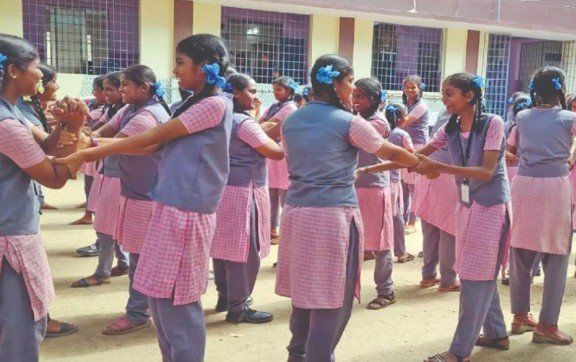
Chennai, June 8: In a significant move aimed at promoting student wellness and holistic development, the Tamil Nadu government has made physical education compulsory for students studying in Classes 6 to 12 across schools in the state.
The directive, issued by the School Education Department, requires educational institutions to conduct physical education sessions regularly while also providing detailed information regarding the utilisation of existing playground infrastructure. The initiative reflects a growing recognition of the role of physical activity in improving learning outcomes, mental health and overall student well-being.
The decision comes at a time when educators across India are increasingly highlighting the importance of balancing academic achievement with physical and emotional development. While schools have traditionally focused heavily on examination performance and classroom instruction, policymakers are now placing greater emphasis on creating healthier learning environments.
Officials believe that structured physical education programmes can help address several challenges facing students, including sedentary lifestyles, stress and declining participation in outdoor activities.
Educational psychologists point out that physical activity contributes significantly to cognitive development. Studies have shown that students who engage in regular exercise often demonstrate better concentration, improved memory and enhanced problem-solving abilities.
The Tamil Nadu initiative also reflects broader concerns regarding changing lifestyle patterns among school-going children. Increased screen time, reduced outdoor recreation and academic pressures have prompted educators to advocate for stronger fitness programmes within schools.
Under the new framework, institutions are expected to ensure that physical education becomes an integral part of the academic schedule rather than an optional activity. Authorities have also sought information on schools where playground facilities remain underutilised, indicating a focus on improving existing infrastructure and encouraging greater participation in sports and fitness activities.
Education experts have welcomed the decision, describing it as an important step toward implementing a more balanced educational model. They argue that modern education systems must focus not only on academic excellence but also on developing healthy habits, teamwork skills and emotional resilience.
Sports administrators have similarly praised the move, noting that early exposure to physical activity can help identify athletic talent while encouraging lifelong fitness practices.
The initiative aligns with national efforts to promote holistic education under broader educational reforms. Policymakers increasingly view sports, health education and extracurricular participation as essential components of student development.
Parents have also expressed interest in programmes that encourage healthier lifestyles among children. Many families report concerns regarding rising levels of stress, reduced physical activity and growing dependence on digital devices.
Beyond health benefits, physical education can foster leadership qualities, discipline and social interaction. Participation in team sports and structured activities often helps students develop communication skills and confidence that extend beyond the classroom.
Experts suggest that successful implementation will depend on adequate teacher training, improved sports infrastructure and consistent monitoring. Schools may need additional support to expand facilities, organise activities and ensure meaningful participation by students.
The Tamil Nadu model is already attracting attention from education stakeholders in other states. Several observers believe similar initiatives could emerge elsewhere as governments seek to strengthen student welfare programmes and improve educational outcomes.
The policy also arrives at a time when educational institutions are reassessing their priorities in the post-pandemic era. Many schools have reported increased awareness of the connection between physical health, mental wellness and academic performance.
As the programme takes shape, educators will closely monitor its impact on student engagement, attendance and overall development. If successful, the initiative could serve as a template for broader reforms aimed at integrating physical education in schools as a central pillar of modern learning.
Supporters of the policy argue that education should prepare students not only for examinations and careers but also for healthy and productive lives. By making physical activity a regular part of schooling, Tamil Nadu has signalled a shift toward a more comprehensive approach to education one that recognises the importance of nurturing both the mind and the body.

