


Andhra Pradesh Launches Statewide Anti-Diarrhoea Campaign Ahead of Monsoon Health Risks
Authorities intensify disease prevention measures as seasonal outbreaks of waterborne infections remain a major public health concern.
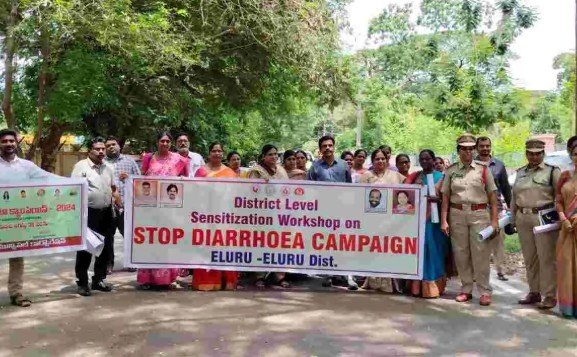
AP, June 16 : The Andhra Pradesh government has launched a comprehensive anti-diarrhoea campaign beginning June 16, 2026, aimed at reducing the incidence of waterborne diseases during the monsoon season. The initiative comes at a time when health authorities across India are increasing preparedness measures to combat seasonal illnesses that disproportionately affect children and vulnerable populations.
Public health experts have welcomed the campaign, describing it as a proactive step toward preventing disease outbreaks before they escalate into larger healthcare emergencies.
Why Diarrhoea Remains a Major Health Challenge
Despite advances in healthcare infrastructure, diarrhoeal diseases continue to pose significant health risks in many regions. Contaminated drinking water, poor sanitation facilities, inadequate hygiene practices, and flooding during the rainy season often contribute to the spread of infections.
Children under five years of age remain particularly vulnerable to dehydration and complications arising from severe diarrhoea. Health officials emphasize that timely treatment and preventive measures can dramatically reduce hospitalizations and fatalities.
The Andhra Pradesh campaign seeks to strengthen community awareness while ensuring that essential medical supplies remain available throughout the monsoon period.
Focus on Prevention
A key objective of the initiative is educating communities about preventive healthcare practices. Awareness drives are expected to encourage regular handwashing, safe food handling, improved sanitation habits, and the consumption of clean drinking water.
Health workers are conducting outreach activities in both urban and rural areas, emphasizing the importance of early symptom recognition and prompt medical intervention.
Public health officials believe that preventive education remains one of the most effective tools in reducing disease transmission.
Distribution of Essential Supplies
The campaign includes the widespread availability of oral rehydration salts and zinc supplements, both of which are considered critical for managing diarrhoeal illnesses. These treatments help prevent dehydration and support faster recovery among affected individuals.
Healthcare centers have been instructed to maintain adequate stocks of medicines and treatment supplies throughout the high-risk season. Emergency response mechanisms are also being strengthened to ensure rapid action in areas reporting increased case numbers.
Monsoon and Public Health Preparedness
Monsoon-related health challenges extend beyond diarrhoea. Flooding and water contamination can contribute to outbreaks of cholera, typhoid, hepatitis, and other infectious diseases.
Consequently, state governments across India are increasingly integrating disease prevention campaigns into broader public health preparedness strategies. These efforts include surveillance systems, rapid response teams, community education programs, and enhanced healthcare infrastructure.
The Andhra Pradesh initiative reflects a growing recognition that preventive healthcare can reduce pressure on hospitals while improving overall public health outcomes.
Role of Frontline Health Workers
Accredited social health activists, community healthcare personnel, and local volunteers are expected to play a crucial role in implementing the campaign.
Their responsibilities include conducting household visits, identifying at-risk populations, distributing educational materials, and guiding families on preventive measures. Health authorities believe community-level engagement is essential for ensuring widespread participation and effectiveness.
Frontline workers often serve as the first point of contact for families seeking healthcare advice, making their involvement critical to the success of disease prevention programs.
Strengthening Rural Healthcare
Rural communities frequently face greater challenges related to sanitation infrastructure and healthcare accessibility. As a result, the campaign places particular emphasis on reaching remote populations where disease outbreaks can spread rapidly.
Mobile health units, awareness camps, and local health centers are expected to support the initiative by expanding access to healthcare information and services.
Experts suggest that targeted interventions in rural areas can significantly reduce the burden of seasonal diseases.
Public Participation Remains Key
Health officials stress that government initiatives alone cannot eliminate diarrhoeal diseases. Community participation remains essential in maintaining hygiene standards, protecting water sources, and seeking timely medical assistance.
Families are encouraged to use safe drinking water, maintain cleanliness around their homes, and monitor children for symptoms such as persistent diarrhoea, vomiting, or signs of dehydration.
Long-Term Public Health Benefits
Beyond addressing immediate monsoon-related risks, the anti-diarrhoea campaign contributes to broader public health goals. Improved sanitation, increased health awareness, and stronger healthcare preparedness can generate lasting benefits for communities.
As seasonal health threats continue to challenge healthcare systems, preventive campaigns such as this one demonstrate the importance of early intervention and public engagement.
Authorities hope that the initiative will not only reduce disease incidence during the current monsoon season but also strengthen community resilience against future public health challenges.

