


Iran Nuclear Talks Under Cloud as Trump’s Interim Deal Imposes 60-Day Deadline
Lawmakers, diplomats and policy experts question whether Washington and Tehran can resolve decades of nuclear disputes within a limited timeframe despite a newly announced interim agreement.
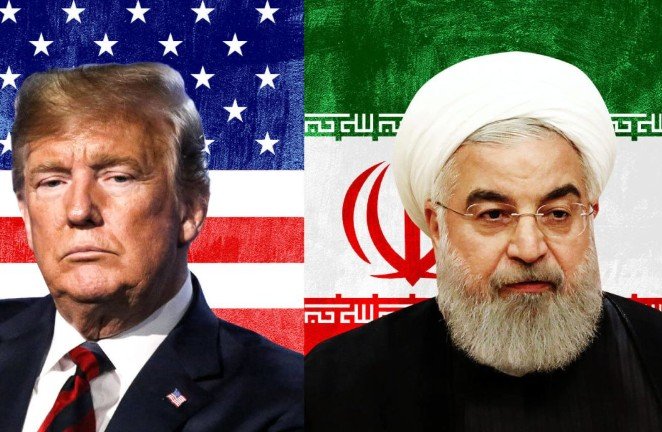
WASHINGTON, June 17: The newly announced interim agreement between the United States and Iran has generated cautious optimism while simultaneously raising serious concerns about the feasibility of reaching a comprehensive nuclear settlement within the proposed 60 day timeline.
The accord, expected to be formally signed in Switzerland, is designed as a temporary framework aimed at reducing tensions and creating conditions for broader negotiations. The agreement reportedly includes provisions for reopening the Strait of Hormuz to international oil shipments, offering economic incentives to Iran upon meeting specific commitments, and launching intensive discussions focused on Tehran’s nuclear activities.
However, analysts, lawmakers and foreign policy observers remain divided over whether the limited timeframe is sufficient to resolve one of the most complex and contentious geopolitical disputes in modern history.
Questions Over the Path Forward
The nuclear issue has long stood at the center of strained relations between Washington and Tehran. President Donald Trump has repeatedly stated that preventing Iran from acquiring nuclear weapons remains a primary objective of American foreign policy and a key justification behind recent military actions coordinated with Israel.
Despite the administration’s confidence, many experts argue that the challenges involved in crafting a durable agreement extend far beyond a two-month negotiating window. Previous diplomatic efforts required years of discussions, extensive technical consultations and the participation of multiple international stakeholders.
The absence of detailed public information regarding the interim arrangement has further fueled uncertainty among political leaders and foreign policy specialists.
Bipartisan Skepticism Emerges
Members of both major political parties have expressed reservations regarding the prospects of achieving a meaningful breakthrough.
Several Republican lawmakers maintain that any future agreement must guarantee strict limitations on uranium enrichment activities. They argue that without concrete restrictions and robust verification mechanisms, a lasting settlement would remain difficult to achieve.
Democratic lawmakers have also voiced concerns, pointing to the complexity of nuclear diplomacy and the extensive expertise required to negotiate detailed technical provisions. Many believe that while diplomacy remains preferable to military escalation, expectations should remain realistic given the magnitude of unresolved issues.
The debate reflects broader uncertainty in Washington about whether the current initiative can overcome decades of mistrust and recurring diplomatic setbacks.
Complexity of Nuclear Diplomacy
Foreign policy specialists emphasize that nuclear agreements involve far more than political declarations. They require detailed technical arrangements covering enrichment levels, inspection procedures, monitoring systems, centrifuge operations and compliance mechanisms.
Former officials familiar with previous negotiations argue that successful agreements demand sustained engagement by diplomats, scientists, nuclear experts and international organizations.
According to several analysts, maintaining momentum throughout the negotiation process could prove challenging, particularly if attention shifts toward other global crises. They warn that intermittent engagement may weaken prospects for reaching a comprehensive understanding.
Administration Defends Strategy
Senior administration officials have defended the interim framework, arguing that it establishes a performance-based structure that rewards compliance while maintaining pressure on Tehran.
Under the proposed approach, Iran would receive benefits only after demonstrating measurable progress toward agreed objectives. Supporters of the plan believe this creates incentives for cooperation while preserving leverage for future negotiations.
Officials have stressed that trust alone will not determine the success of the agreement. Instead, they contend that verifiable actions and transparent implementation will serve as the foundation for any long-term settlement.
The administration views the accord as an opportunity to test Iran’s willingness to engage constructively while reducing immediate regional tensions.
Lessons From the 2015 Nuclear Accord
Comparisons with the 2015 Joint Comprehensive Plan of Action (JCPOA) continue to dominate discussions surrounding the new initiative.
The landmark agreement, reached after more than eighteen months of intensive negotiations, established strict limitations on Iran’s nuclear activities in exchange for significant sanctions relief. The talks involved multiple world powers, technical experts and international monitoring agencies.
Negotiators spent months addressing highly technical issues, including uranium enrichment thresholds, centrifuge development, stockpile limits and inspection protocols.
Although the JCPOA faced criticism from opponents across the political spectrum, many observers acknowledge the extensive diplomatic effort required to produce even a partial consensus among participating nations.
Critics of the current initiative question whether similar outcomes can be achieved within a substantially shorter period.
Congressional Oversight Expected
Another significant issue involves congressional review of any future agreement.
Several lawmakers have indicated that a final nuclear accord should be submitted to Congress for examination and approval. This position reflects concerns regarding transparency, accountability and long-term enforceability.
Supporters of congressional involvement argue that legislative backing could strengthen the durability of any agreement and provide greater certainty regarding future implementation.
At the same time, some policymakers believe that setting a firm deadline may help prevent prolonged negotiations that produce little tangible progress.
Regional Security Concerns Remain
Beyond the nuclear file, several unresolved regional issues continue to complicate the diplomatic landscape.
Questions remain regarding Iran’s ballistic missile capabilities, relationships with armed groups across the Middle East and broader security concerns shared by Israel, Gulf states, Europe and the United States.
Experts note that these matters have historically influenced nuclear negotiations and may continue to affect the trajectory of future talks.
Whether the current framework will address any of these broader concerns remains unclear.
A Critical Diplomatic Test
As preparations continue for the formal signing ceremony, expectations remain mixed. Supporters view the agreement as a necessary first step toward reducing tensions and creating opportunities for constructive engagement.
Skeptics, however, argue that decades of hostility, failed negotiations and strategic mistrust cannot be resolved within a matter of weeks.
The coming months are likely to determine whether the interim accord becomes a foundation for a comprehensive diplomatic breakthrough or merely another temporary pause in a long-running confrontation.
For now, the agreement represents both an opportunity and a challenge—one that will test the commitment, patience and negotiating skills of all parties involved in shaping the future of regional security and nuclear diplomacy.

