


Supreme Court Bench to Hear Plea Against Proposed NEET-UG Re-Test in July
Petition seeks cancellation of the June 21 re-examination and calls for comprehensive reforms in the National Testing Agency's examination system.
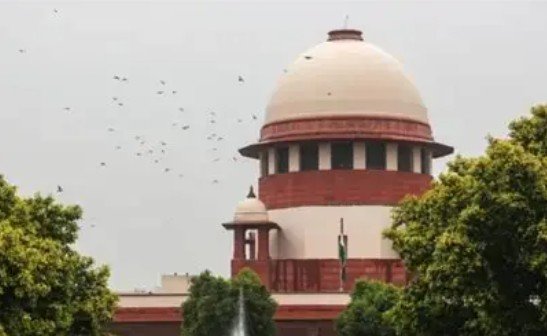
New Delhi, June 18 : The Supreme Court on Wednesday said that a petition challenging the decision to conduct the NEET-UG 2026 re-test will be taken up for hearing in July by a bench headed by Justice PS Narasimha.
The matter was mentioned before a bench comprising Chief Justice Surya Kant and Justice V Mohana. During the proceedings, the court informed the petitioner that the case would be listed before the Justice Narasimha-led bench once the Supreme Court resumes its regular functioning after the ongoing period of partial court working days.
The development comes amid continuing legal and administrative scrutiny over the medical entrance examination, which was cancelled earlier this year following allegations of a question paper leak. The National Testing Agency (NTA) had annulled the examination conducted on May 3 after concerns were raised regarding the integrity of the test process.
Subsequently, authorities announced that a fresh examination would be held on June 21 to ensure a fair opportunity for candidates seeking admission to undergraduate medical courses across the country.
The Central Bureau of Investigation (CBI) is currently probing the alleged irregularities connected to the examination. The investigation aims to identify individuals and networks responsible for compromising the sanctity of one of India’s largest entrance tests.
The latest petition before the apex court seeks to set aside the government’s decision to hold the re-test. The petitioner has argued that the move could adversely affect students and has questioned the rationale behind conducting another examination for lakhs of candidates.
Apart from seeking cancellation of the re-test, the plea has urged the court to direct authorities to adopt advanced technology based examination mechanisms for future national level entrance tests. The proposed measures include encrypted digital delivery of question papers, biometric authentication of candidates, artificial intelligence-based monitoring systems, and secure computer-based examination infrastructure.
According to the petition, such reforms are necessary to strengthen transparency, improve accountability, and prevent future incidents of examination malpractice. The petitioner has also sought the establishment of an independent expert committee to review structural and operational shortcomings within the National Testing Agency.
The proposed committee, the plea states, should examine institutional weaknesses and recommend long-term reforms to restore public confidence in national testing systems.
As an interim measure, the petition has requested the Supreme Court to suspend the implementation of the re-test decision until the matter is finally adjudicated. The petitioner contends that proceeding with the examination before judicial scrutiny could create complications for students and authorities alike.
The issue of examination integrity has already been the subject of extensive proceedings before the Supreme Court. While hearing a batch of petitions linked to the NEET-UG controversy on May 29, the apex court observed that lasting solutions would emerge only when accountability mechanisms become effective and enforceable.
During those hearings, Solicitor General Tushar Mehta, appearing for the Centre, assured the court that the government was fully committed to safeguarding the interests of students. He informed the bench that concerns relating to examination security were being addressed at the highest levels and that corrective measures had already been initiated.
Mehta also stated that additional safeguards had been introduced for the upcoming examination to ensure a secure and transparent process. These measures, he said, were designed to eliminate vulnerabilities and prevent any recurrence of the issues that led to the cancellation of the original test.
The NEET-UG examination serves as the primary gateway for admission to MBBS, BDS and other undergraduate medical programmes across India. Any disruption in its conduct has far-reaching implications for students, educational institutions and the healthcare education system.
With the June 21 re-test approaching and multiple petitions pending before the judiciary, the case remains one of the most closely watched education-related legal battles in the country. The Supreme Court’s decision in July is expected to provide greater clarity on the future course of action and the broader framework governing examination reforms.
The outcome could also influence future policy decisions concerning the conduct of national entrance examinations and the adoption of technology-driven security measures aimed at protecting the credibility of competitive tests.

