


Falling Oil Prices Offer Relief to Businesses and Consumers
Energy markets stabilize as traders anticipate improved crude supplies and reduced disruptions in global shipping routes.
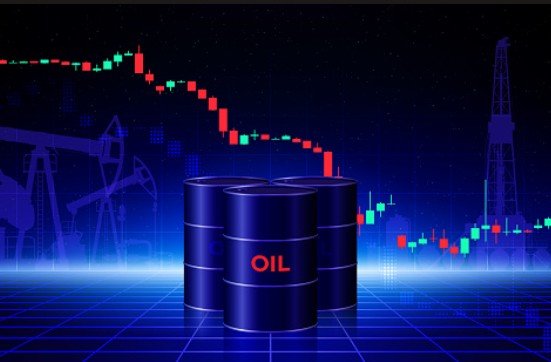
LONDON, June 20: Businesses across the world are welcoming a significant decline in oil prices as geopolitical tensions ease and expectations grow for improved crude supplies from the Middle East.
Energy markets have experienced sharp volatility throughout 2026 due to disruptions affecting one of the world’s most important shipping corridors, the Strait of Hormuz. Concerns about supply interruptions previously pushed crude prices sharply higher and increased costs for transportation, manufacturing and logistics companies.
Recent diplomatic developments, however, have altered market expectations. Investors increasingly believe that crude supplies will continue flowing through the region, reducing fears of prolonged shortages and helping stabilize energy markets. Oil prices have consequently retreated from earlier highs, providing relief for businesses dependent on fuel and transportation.
Lower oil prices have immediate benefits for airlines, shipping operators and logistics firms. Fuel represents one of the largest operating expenses for these industries, and declining energy costs can significantly improve profitability. Manufacturers also stand to gain from lower production and transportation expenses.
Consumers may eventually benefit as well. Reduced energy costs often contribute to lower inflationary pressures, helping stabilize prices for goods and services across the economy. Economists suggest that sustained moderation in oil prices could support household spending and strengthen economic growth.
Despite the improvement, challenges remain. Shipping activity through the Strait of Hormuz has not fully normalized, and maritime operators continue to monitor security conditions closely. Industry experts warn that complete recovery could take time because of logistical constraints and operational adjustments required after months of disruption.
Another factor influencing the market is changing global demand. Analysts have observed weaker-than-expected consumption in some major economies, helping offset supply concerns and contributing to price stability. At the same time, increased production from several energy-producing nations has added additional supply to global markets.
For policymakers, the decline in oil prices represents a positive development in the fight against inflation. Lower energy costs reduce pressure on transportation networks and industrial supply chains, potentially easing price increases across multiple sectors.
Businesses are cautiously optimistic that stable energy markets will create a more predictable operating environment during the second half of 2026. Investment decisions that were delayed because of uncertainty may now move forward as companies gain confidence in future cost projections.
While geopolitical risks have not disappeared entirely, the recent decline in crude prices highlights the importance of diplomacy in maintaining economic stability. As global energy markets continue to adjust, businesses and consumers alike will be watching closely to see whether current price trends can be sustained over the coming months.

