


JD Vance Says US-Iran Talks Lay Groundwork for Peace Deal
Negotiators report progress on Hormuz shipping route, Lebanon ceasefire efforts and sanctions relief during ongoing 60-day peace talks.
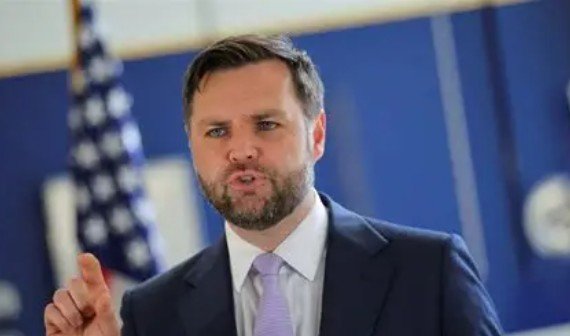
OBBUERGEN (Switzerland), Jun 23: US Vice President JD Vance said discussions with senior Iranian officials in Switzerland have moved negotiations forward, describing the talks as a solid step toward a comprehensive agreement aimed at ending months of conflict between Washington, Tehran and Israel.
Speaking after the two-day diplomatic engagement, Vance said negotiators had established a framework for addressing key security and economic issues, including maritime navigation through the Strait of Hormuz and efforts to sustain calm along the Israel-Lebanon border.
The negotiations follow an interim accord reached last week between the United States and Iran, which provides a 60-day window to resolve major disputes, including the future of Iran’s nuclear programme. Tehran maintains that its nuclear activities are peaceful, while Western nations continue to express concerns over potential military applications.
One of the central topics during the talks was restoring normal shipping activity through the Strait of Hormuz, a crucial global energy corridor that was disrupted after the outbreak of hostilities in late February. Although vessel traffic has resumed gradually, shipping companies continue to avoid some routes due to lingering security concerns.
Iranian Parliament Speaker Mohammad Bagher Qalibaf said Tehran intends to manage the strategic waterway in accordance with international regulations and expressed hope that full navigation would soon resume, benefiting regional and global economies.
Following the Switzerland discussions, Qalibaf and Iranian Foreign Minister Abbas Araghchi travelled to Oman for further consultations with Omani officials, focusing on peace initiatives and maritime security.
In a parallel development, the US Treasury announced a temporary 60-day sanctions waiver permitting limited transactions involving Iranian oil. The measure forms part of confidence-building efforts under the interim arrangement and is expected to facilitate broader economic discussions.
Market sentiment improved as tanker movements increased through the Gulf and energy prices retreated from recent highs. Industry data indicated a steady rise in vessel transits over the weekend, signalling growing confidence in regional stability.
US President Donald Trump, while not attending the Switzerland meeting, remained closely involved in the diplomatic process. Speaking from Washington, he emphasised that mutual respect would be essential for maintaining progress and achieving a durable settlement.
Vance also revealed that negotiators are examining proposals that could allow frozen Iranian funds to be used for purchasing American agricultural products, including wheat, corn and soybeans, under international oversight mechanisms.
Iranian officials highlighted progress on another sensitive issue reducing tensions between Israel and Hezbollah in southern Lebanon. Tehran described developments on the Lebanon front as an important indicator of whether broader diplomatic efforts can succeed.
While neither Israel nor Hezbollah is directly part of the US-Iran agreement, international observers reported that a fragile ceasefire between the two sides appeared to be holding. The United Nations peacekeeping mission in Lebanon said no major exchanges of fire had been detected in recent days, though military activity and airspace violations continue to be monitored.
Negotiators from both sides are expected to continue technical discussions in the coming weeks as they work toward a broader settlement before the expiration of the 60-day negotiating period.

