


Healthcare Infrastructure and Workforce Challenges Spotlight Need for Systemic Reforms
Experts call for stronger investments in hospitals, workforce development and integrated healthcare delivery models.
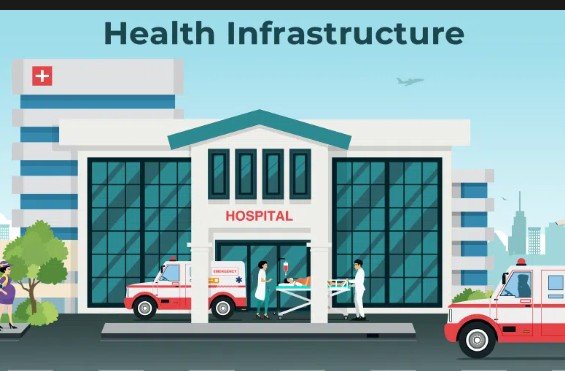
New Delhi, Jun 22: Healthcare infrastructure reforms have come into sharp focus following growing concerns regarding workforce shortages, service disruptions and the need for more integrated healthcare systems across India.
Healthcare experts say that strengthening medical infrastructure and expanding workforce capacity remain essential for achieving universal health coverage and ensuring quality care for all citizens.
Recent developments have highlighted operational challenges within healthcare institutions. Reports from medical facilities indicate that workforce-related issues can significantly affect patient services, admissions and treatment delivery. Healthcare administrators argue that sustained investments in human resources are critical for maintaining healthcare efficiency.
At the same time, policymakers and healthcare leaders are emphasizing the need for multidisciplinary approaches to address increasingly complex healthcare challenges. Experts argue that modern healthcare requires collaboration among doctors, researchers, technologists, public health professionals and policymakers.
Healthcare systems worldwide are facing pressures from aging populations, rising rates of chronic diseases and increasing demand for specialized medical services. These trends require substantial investments in infrastructure, training and technology.
One area receiving growing attention is emergency and critical care preparedness. International health organizations recently endorsed strategies aimed at improving integrated emergency, critical and operative care services. These initiatives seek to strengthen health systems and improve patient outcomes during emergencies and routine medical situations alike.
Healthcare workforce shortages remain a persistent challenge. Doctors, nurses, laboratory technicians and support staff form the backbone of healthcare delivery, yet many facilities continue to struggle with recruitment and retention.
Experts recommend expanding medical education capacity, improving working conditions and creating opportunities for professional development. Strengthening rural healthcare staffing is considered particularly important for reducing disparities in healthcare access.
Infrastructure modernization is another major priority. Many healthcare facilities are upgrading diagnostic equipment, expanding intensive care capacity and implementing digital management systems to improve operational efficiency.
Healthcare quality improvement initiatives are also producing encouraging results in several regions. Recent assessments have shown measurable improvements in healthcare service quality through targeted interventions and enhanced monitoring mechanisms.
Public health specialists emphasize that healthcare reform should extend beyond hospitals. Community health centers, preventive care programs and primary healthcare services play vital roles in reducing disease burden and preventing overcrowding at tertiary institutions.
Financial sustainability remains a central issue. Healthcare economists argue that increasing public investment in healthcare can generate long-term social and economic benefits through improved productivity and reduced disease burden.
Technology is expected to support many of these reforms. Digital health platforms, remote monitoring systems and artificial intelligence applications can enhance service delivery while helping healthcare professionals manage increasing patient loads.
Experts also stress the importance of building resilient healthcare systems capable of responding to future health emergencies. Lessons learned from recent global health crises continue to shape policy discussions regarding preparedness and response strategies.
As India continues its healthcare modernization journey, policymakers, healthcare professionals and researchers agree that comprehensive healthcare infrastructure reforms will be essential for meeting future healthcare needs. Investments in people, technology and facilities are expected to play a decisive role in strengthening the nation’s healthcare system and improving health outcomes for millions of citizens.

