


Iran Nuclear Inspections Become Key Test as Fragile US-Iran Understanding Takes Shape
IAEA seeks renewed access to Iranian nuclear facilities while Tehran insists inspections can begin only after a final agreement and sanctions relief.
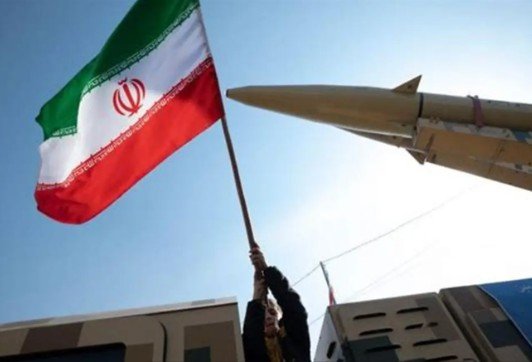
Vienna/Tehran, June 25: International efforts to stabilize tensions in the Middle East entered a crucial phase on Thursday as discussions over access to Iran’s nuclear facilities emerged as the central challenge in ongoing diplomatic negotiations between Tehran and Washington.
The International Atomic Energy Agency (IAEA) indicated that preparations are underway for inspectors to return to Iranian nuclear sites under the framework of a recently announced understanding aimed at reducing regional tensions. However, Iranian officials maintained that any inspections of sensitive facilities would be contingent upon the completion of a final agreement and the lifting of sanctions.
The issue has become one of the most closely watched elements of the broader diplomatic process. Nuclear verification remains a cornerstone of international confidence-building efforts, and the absence of inspections has raised concerns among global powers regarding the status of Iran’s enriched uranium stockpiles.
IAEA Director General Rafael Grossi said technical discussions were continuing and that modalities for future inspections were being developed. The agency believes independent verification is essential to ensuring transparency and preventing further escalation in the region.
Iranian officials, however, have argued that inspections cannot proceed while broader political and economic disputes remain unresolved. Tehran has repeatedly emphasized that sanctions relief and security guarantees must accompany any future monitoring arrangements.
The disagreement reflects the complexity of negotiations that seek to balance nuclear transparency with national sovereignty concerns. Diplomats familiar with the process say both sides are attempting to avoid a return to confrontation while preserving their respective negotiating positions.
Regional observers note that successful implementation of inspection mechanisms could significantly reduce tensions across the Gulf region. Energy markets have closely monitored developments amid concerns that instability could affect shipping routes and global oil supplies.
Meanwhile, European governments have welcomed ongoing dialogue and urged all parties to maintain diplomatic engagement. Several countries have stressed that verification measures remain indispensable for sustaining any long-term understanding.
Analysts suggest the coming weeks will determine whether the diplomatic momentum can be transformed into a durable agreement. Failure to resolve inspection related disagreements could undermine confidence and revive geopolitical uncertainty.
The developments come at a time when international stakeholders are seeking to prevent renewed conflict in a region that remains strategically vital to global energy security and international trade.
With negotiations continuing behind closed doors, the world is watching closely to see whether diplomacy can succeed where years of confrontation have failed. The outcome is expected to influence not only regional stability but also broader global security calculations in the months ahead.

