


Israel-Lebanon Tensions Complicate Regional Peace Efforts Despite Diplomatic Momentum
Military deployments and security concerns in southern Lebanon emerge as new challenges for wider Middle East negotiations.
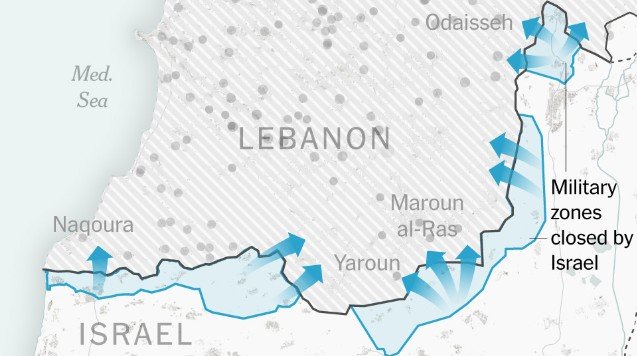
Jerusalem/Beirut, June 25: Efforts to consolidate stability in the Middle East encountered fresh challenges this week as security developments along the Israel-Lebanon border added complexity to ongoing regional diplomatic initiatives.
Israeli officials signaled their intention to maintain military deployments in strategic areas of southern Lebanon, citing security considerations and the need to counter potential threats. The announcement has generated debate among regional stakeholders and international observers.
The issue has emerged at a sensitive moment when diplomatic efforts are focused on reducing tensions across multiple fronts in the Middle East. Analysts say developments in southern Lebanon could influence broader negotiations involving several regional actors.
Lebanese officials have reiterated calls for respect for national sovereignty and implementation of existing understandings aimed at reducing cross-border tensions. International mediators are working to prevent localized disputes from undermining wider diplomatic progress.
Security experts note that the border region has long been one of the most volatile areas in the Middle East. Historical conflicts, competing security interests and the presence of armed groups have contributed to recurring instability.
The current situation highlights the difficulties of achieving comprehensive peace in a region where multiple disputes are interconnected. Even as progress is reported in some diplomatic channels, unresolved security concerns continue to create uncertainty.
Regional governments have emphasized the importance of dialogue and confidence building measures. Several countries have called for restraint and urged all parties to avoid actions that could increase tensions.
Economic considerations also play a role in ongoing discussions. Stability in the region is viewed as critical for trade, investment and energy markets, making diplomatic success a priority for many international stakeholders.
Observers believe that sustainable peace will require addressing both immediate security concerns and the broader political issues that have fueled tensions for decades. Confidence-building measures, international engagement and continued dialogue are widely regarded as essential components of any lasting solution.
As diplomatic activity intensifies across the region, policymakers face the challenge of balancing security requirements with efforts to advance peace and stability. The coming months are expected to determine whether current negotiations can overcome longstanding obstacles and create momentum toward a more secure regional environment.
For now, developments along the Israel-Lebanon border remain a key indicator of the broader health of Middle East diplomacy and regional security.

