


Education Debate Intensifies as Political Parties Raise Concerns Over Academic Reforms
National discussion on examinations, accountability and higher education gains momentum through new outreach initiatives.
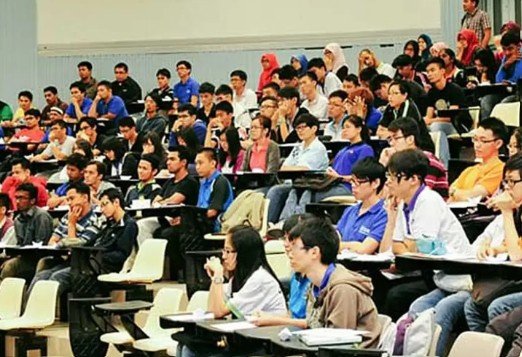
NEW DELHI, June 25: Education has once again emerged as a major national issue, with political parties, academic stakeholders and student groups intensifying discussions on examination systems, higher education governance and institutional reforms.
The debate gained momentum after the launch of a nationwide campaign focusing on challenges facing students and educational institutions. Organizers said the initiative seeks to highlight concerns related to examination management, educational quality and long-term policy implementation.
Education experts believe the renewed attention reflects growing public interest in the future of India’s academic system. Over the past several years, issues such as examination transparency, admission processes, employability and digital learning have become central topics in educational discourse.
Students across the country have increasingly voiced expectations for more reliable examination systems, faster result processing and improved institutional support. The expansion of large-scale entrance tests has also sparked discussions regarding stress levels, accessibility and fairness.
Higher education institutions are simultaneously adapting to rapid technological change. Universities are investing in digital infrastructure, artificial intelligence tools, online learning platforms and research collaborations to meet emerging academic demands.
Policy analysts argue that reforms must focus on improving both access and quality. While enrolment in higher education has expanded significantly, challenges remain regarding infrastructure, faculty recruitment, research funding and skill development.
Another major area of discussion involves employability and industry readiness. Employers increasingly seek graduates equipped with analytical thinking, communication skills and technological competence. As a result, universities are being encouraged to redesign curricula to align with evolving labour market requirements.
Educational researchers have also highlighted the growing influence of artificial intelligence in teaching and learning environments. AI-powered tools are expected to reshape assessment methods, personalized learning and academic support services in the years ahead. However, experts caution that ethical considerations, privacy safeguards and responsible implementation must remain priorities.
The national conversation has further emphasized the importance of teacher training, student welfare and equitable educational opportunities. Stakeholders believe reforms should benefit students from diverse socio-economic backgrounds and geographic regions.
Several educationists have called for sustained dialogue among policymakers, universities, teachers, students and industry representatives. Collaborative approaches, they argue, are essential for addressing structural challenges and ensuring long-term improvements.
As India seeks to strengthen its position as a global knowledge economy, education policy is expected to remain a central area of public discussion. The coming months may witness additional debates regarding examinations, admissions, funding and academic governance.
For millions of students and educators, the outcome of these discussions could influence the future direction of learning, research and skill development across the country. The ongoing debate underscores the critical role education continues to play in shaping national progress and economic growth.

