


CBI Cracks Down on Digital Arrest Scam Network, Conducts Raids Across 16 States
Investigation launched after scammers allegedly cloned the Supreme Court’s online identity to intimidate victims and siphon off funds through shell entities and mule accounts.
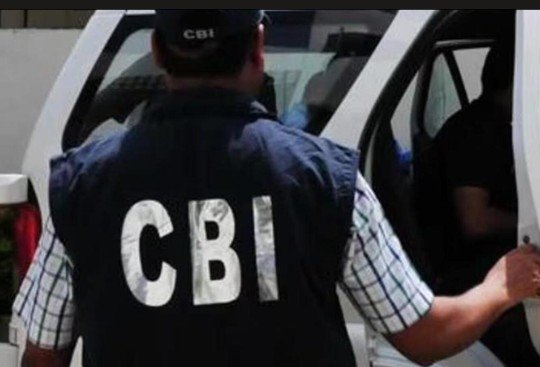
NEW DELHI, June 25: In a major nationwide operation against cyber-enabled financial fraud, the Central Bureau of Investigation (CBI) conducted coordinated searches at 80 locations spread across 16 states, targeting a sophisticated network allegedly involved in digital arrest scams.
The extensive operation, carried out by nearly 60 teams of investigators, was part of an ongoing probe into more than 200 cyber fraud cases linked to a scheme in which unsuspecting individuals were threatened and manipulated through fake legal proceedings and fabricated law enforcement actions.
As part of the crackdown, the agency arrested two suspects identified as B. Naresh from Chennai and Sanjib Saha from Kolkata. Investigators believe the duo played a significant role in establishing and managing financial channels used to move and conceal illegally obtained funds.
According to officials, the accused were allegedly associated with the creation of shell companies and the operation of mule bank accounts that facilitated the transfer of money collected from victims. Preliminary findings indicate that nearly Rs 2 crore in suspected criminal proceeds was routed through these accounts.
The investigation began after authorities received a complaint from the registry of the Supreme Court regarding the misuse of a web domain designed to closely resemble the official website of the country’s apex court. Cybercriminals allegedly exploited the fake platform to lend credibility to their fraudulent activities and create fear among targeted individuals.
Officials said victims were contacted through phone calls, messages and online communication channels and were falsely informed that they were under investigation in serious criminal cases. The fraudsters reportedly impersonated law enforcement personnel, judicial authorities and government officials to pressure individuals into transferring money to avoid arrest or legal consequences.
The fake website was allegedly used as a key tool in the scam, enabling the accused to convince victims that the threats and legal notices were genuine. By mimicking official digital platforms, the perpetrators sought to gain trust and extract payments under false pretences.
The CBI registered a formal case following the complaint and launched a detailed investigation into the larger network behind the operation. The agency’s searches covered multiple cities and states, focusing on locations suspected of being linked to financial transactions, digital infrastructure and operational support used by the fraud syndicate.
Investigators seized several digital devices, banking records and documents during the searches. These materials are expected to help authorities identify additional suspects and uncover the full scale of the operation.
Cybercrime experts have repeatedly warned that digital arrest scams are becoming increasingly sophisticated, with fraudsters using advanced impersonation techniques and fake official identities to exploit fear and urgency. Such scams have emerged as one of the fastest-growing forms of financial cybercrime in recent years.
Officials urged citizens to remain vigilant and verify any communication claiming to originate from courts, police departments or investigative agencies. They emphasized that legitimate authorities do not demand money over phone calls or online platforms to settle legal matters or prevent arrests.
The latest action highlights the government’s intensified efforts to combat cyber fraud networks that operate across state boundaries and exploit digital technologies to target citizens. Investigators said further arrests and financial tracking measures are likely as the probe progresses.
With cyber enabled fraud continuing to evolve, authorities have reiterated the need for public awareness, stronger digital security practices and prompt reporting of suspicious communications to prevent such crimes from causing financial and emotional distress.

