


Trump Slaps 50% Tariffs on Most Canadian Goods Amid Escalating Trade Dispute
The new trade measures target a wide range of Canadian imports while exempting key commodities, raising concerns over inflation, bilateral relations and the future of North American trade negotiations.
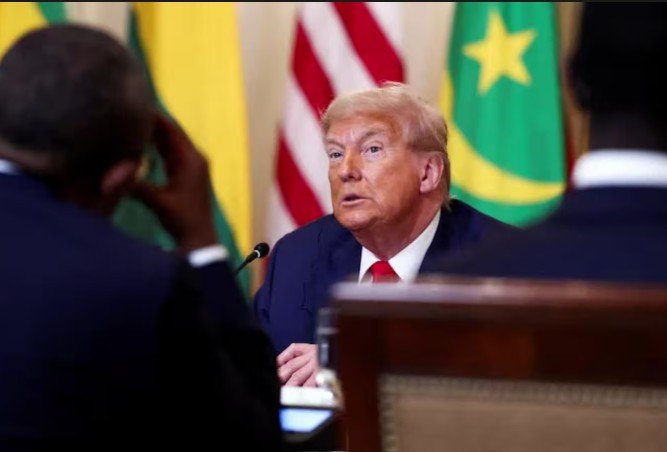
Washington, July 21: US President Donald Trump has announced sweeping 50% tariffs on most Canadian goods, marking a significant escalation in trade tensions between the United States and Canada. The decision comes amid allegations that Canada has maintained unfair trade practices affecting American industries, particularly the automobile, dairy and alcohol sectors.
The White House said the tariffs were introduced under Section 338 of the Trade Act of 1930, a rarely used legal provision that allows the US president to impose trade restrictions on countries considered to be engaging in discriminatory trade policies. Trump signed three separate proclamations authorising the new duties, signalling a tougher approach toward one of America’s largest trading partners.
Administration Defends Tariff Decision
A senior US administration official said Canada had responded to earlier American tariffs with retaliatory measures, placing it among a small group of countries, including China, that challenged Washington’s trade policies. According to the official, the latest action is intended to address what the administration considers long-standing barriers faced by American exporters.
The White House argues that Canadian policies have disadvantaged US manufacturers and agricultural producers, particularly in sectors where market access has remained a contentious issue for years.
Several Key Products Exempted
Despite the broad scope of the tariff package, the administration has exempted several strategically important products. Energy exports, potash, fish and critical minerals will not be subject to the new duties, reflecting their importance to both countries’ supply chains and industrial sectors.
However, a large number of Canadian goods that previously benefited from preferential treatment under the United States-Mexico-Canada Agreement (USMCA) will now face higher import duties. Businesses that rely on cross-border trade are expected to reassess supply chains and pricing strategies as the tariffs take effect.
USMCA Expiry Adds to Trade Uncertainty
The tariff announcement comes after the expiration of the USMCA framework that governed trade relations among the United States, Canada and Mexico. Negotiations for a revised agreement are expected to continue, with discussions likely to shape North American trade policy over the coming decade.
Trade experts believe the latest tariffs could complicate those negotiations by increasing friction between Washington and Ottawa at a time when both countries are seeking economic stability.
Potential Economic Impact
Economists have warned that the new tariffs may increase costs for businesses importing Canadian products, with some of those costs potentially being passed on to consumers. Industries dependent on integrated North American supply chains, including automotive manufacturing and food processing, may experience disruptions.
Analysts also caution that the move could contribute to inflationary pressures by making imported goods more expensive and reducing the availability of competitively priced products in the US market.
Possibility of Additional Trade Measures
The administration indicated that further trade actions against Canada remain under consideration. Officials said President Trump has instructed advisers to explore whether additional tariffs are warranted, including measures linked to concerns that smoke from Canadian wildfires has negatively affected air quality across parts of the United States.
While no further decisions have been announced, the statement suggests that the administration is prepared to broaden trade restrictions if it believes US interests are being adversely affected.
Political Debate Over Tariff Authority
The use of Section 338 has once again drawn attention to the president’s authority to impose tariffs without congressional approval. Last year, several Democratic lawmakers proposed repealing the provision, arguing that it grants excessive unilateral power and could create unnecessary economic instability.
Supporters of reform contend that significant trade actions should require greater legislative oversight, while advocates of the existing law argue it provides the executive branch with flexibility to respond quickly to unfair international trade practices.
Outlook for US-Canada Relations
Canada and the United States share one of the world’s largest bilateral trading relationships, with deeply interconnected manufacturing, energy and agricultural sectors. Any prolonged tariff dispute could affect investment decisions, supply chains and business confidence on both sides of the border.
As negotiations over future trade arrangements continue, businesses and policymakers will be closely watching whether the latest tariffs lead to renewed dialogue or further retaliatory measures, potentially reshaping economic ties between the two neighbouring countries.

