


A New Industrial Blueprint
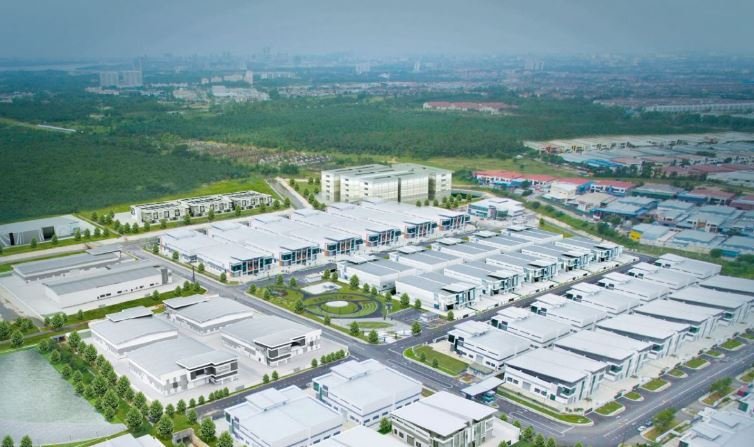
Jammu and Kashmir’s industrial ambitions will ultimately be judged not by the number of projects announced, but by how quickly an entrepreneur can turn an investment proposal into a functioning enterprise. This is where the Bharat Audyogik Vikas Yojana, or BHAVYA, could make a real difference. The proposed Plug-and-Play Industrial Parks at Pekhari in Samba and Nowgam in Srinagar offer an opportunity to move away from conventional industrial estates towards modern business ecosystems where essential infrastructure is available before the investor arrives.
The scale of the proposals is significant. According to figures presented by the Jammu and Kashmir Government, the Pekhari Industrial Park is proposed over 83.97 acres at an estimated cost of ₹211.64 crore. The Nowgam project will cover 50 acres with an estimated investment of ₹104.02 crore. Together, the two proposed parks involve nearly 134 acres of industrial development and an estimated project outlay of about ₹315.66 crore. The BHAVYA scheme itself has a wider national ambition. The Government of India proposes to develop 100 state-of-the-art Plug-and-Play Industrial Parks between 2026-27 and 2031-32, with 50 parks envisaged in the first phase. Eligible projects can receive Central assistance of up to ₹1 crore per acre, subject to prescribed norms and approvals. Jammu and Kashmir is preparing proposals for both divisions, giving the Union Territory an important opportunity to secure substantial support for modern industrial infrastructure. What makes the concept promising is that investors are not expected to begin with bare land. The proposed parks are designed to provide developed plots, internal roads, power distribution, water supply, digital connectivity, warehouses, Built-to-Suit factory sheds, testing laboratories, common facility centres, skill development facilities, worker housing, healthcare, daycare and environmentally sustainable infrastructure. If delivered properly, this can sharply reduce the time and uncertainty involved in setting up an industrial unit. The sectoral planning also reflects regional strengths. Pekhari is proposed to support MSMEs, light engineering, packaging and printing, warehousing, logistics and IT-enabled services. Nowgam is expected to focus on horticulture, food processing, light manufacturing, logistics, warehousing and digital services. For Kashmir, this could create stronger links between horticulture and processing, allowing more produce to be graded, stored, processed and marketed closer to the source. For Jammu, an ecosystem around engineering, logistics and MSMEs can benefit from its connectivity with larger northern markets. Industrial policy becomes more credible when it builds around what a region already does well. But there is no room for complacency. Industrial infrastructure has little value if power remains unreliable, clearances are delayed or common facilities stop functioning after inauguration. This is why the government’s emphasis on technically sound Detailed Project Reports, timely land transfer and departmental vetting is important. Weak preparation at the beginning can easily become expensive delay later. The proposed Special Purpose Vehicles and EPC-based execution framework must also carry clear responsibility. Investors need to know who maintains roads, utilities, treatment plants and digital systems, and how quickly grievances will be resolved. An industrial park cannot remain competitive on construction quality alone. Its management must remain professional long after the opening ceremony. Environmental safeguards deserve the same seriousness. Common Effluent Treatment Plants, green infrastructure and climate-resilient utilities should function as essential components, not as boxes ticked in project documents.
BHAVYA gives Jammu and Kashmir a valuable opening to demonstrate that industrial growth can be modern, regionally balanced and investment-friendly. The government deserves credit for moving towards integrated Plug-and-Play infrastructure. The challenge now is delivery. If Pekhari and Nowgam provide reliable utilities, fast approvals, quality infrastructure and professional management, they can become more than industrial parks. They can become proof that Jammu and Kashmir is ready to compete for serious investment on the strength of efficiency, infrastructure and confidence.

