


US Launches Fresh Strikes on Iranian Targets After Foiling Missile Attack
Military action follows alleged missile attack on American forces in Jordan, raising fears of wider regional instability and fresh energy market disruptions
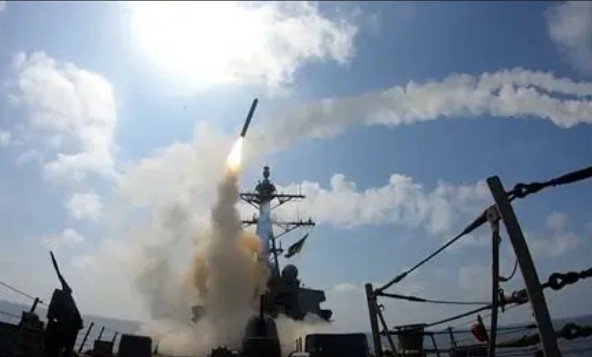
BAGHDAD, Jul 30: The United States launched a major wave of airstrikes against Iranian military targets early Thursday, significantly escalating the ongoing conflict in the Middle East. The military operation came hours after Washington accused Iran of carrying out a missile attack on a U.S. military base in Jordan, prompting President Donald Trump to promise a forceful response.
According to the U.S. Central Command (CENTCOM), the coordinated operation lasted nearly two hours and targeted dozens of facilities linked to Iran’s Revolutionary Guard Corps (IRGC). The strikes reportedly focused on command centres, missile launch infrastructure, drone facilities, coastal surveillance systems and air defence installations.
American officials described the operation as a direct response to what they called an attack on U.S. personnel stationed in Jordan, underlining Washington’s determination to deter further aggression against its forces in the region.
Iran Reports Limited Damage
Iranian state media acknowledged that explosions were reported in several locations following the strikes. Two people were said to have been injured on Qeshm Island, located near the Strait of Hormuz, while additional blasts were reported in Khuzestan province.
Iranian authorities did not immediately provide details regarding the extent of damage to military facilities but condemned the attacks as another act of aggression.
The exchange of strikes marks another dangerous phase in the five month long confrontation, raising concerns that diplomatic efforts to reduce tensions may once again be derailed.
Fresh Maritime Attacks Raise Alarm
Adding to regional instability, drone strikes triggered fires aboard two natural gas vessels at Egypt’s Damietta port. Maritime security agencies confirmed that one vessel was a U.S.-owned floating storage facility while the other was operated by a Greek company.
Although no casualties were reported, the incident heightened fears over the safety of commercial shipping and energy infrastructure in the eastern Mediterranean.
Authorities have not officially identified those responsible for the attacks, and investigations remain underway.
Conflict Expands Across Multiple Fronts
The latest developments indicate that the confrontation is spreading across several countries, with military activity now affecting Iraq, Jordan, Iran, Egypt and key maritime routes.
Saudi Arabia has accused Iraqi militia groups of launching drone attacks on its oil facilities over recent days. While one umbrella organisation denied involvement, Yemen’s Iran-backed Houthi movement claimed responsibility for separate attacks targeting Saudi energy infrastructure.
The widening scope of military operations has increased concerns that the conflict could draw more regional actors into direct confrontation.
Diplomatic Efforts Face Major Setback
Regional mediators had recently expressed cautious optimism about restarting negotiations between Washington and Tehran. However, renewed violence has severely weakened hopes for an immediate diplomatic breakthrough.
Officials involved in mediation efforts said discussions continue behind closed doors, but acknowledged that neither side currently appears willing to halt military operations.
Diplomatic sources warned that restoring a ceasefire has become increasingly difficult as retaliatory attacks continue to escalate.
Regional governments are continuing consultations aimed at preventing further deterioration, although officials privately admitted that prospects for de-escalation remain limited under current circumstances.
Oil Markets React to Rising Tensions
Global energy markets responded sharply to the renewed hostilities, with Brent crude prices rising more than 7% as investors reacted to fears of supply disruptions.
The Strait of Hormuz remains a critical concern for traders, given its importance as one of the world’s busiest oil transit routes. Continued military activity around the strategic waterway has intensified uncertainty over global energy supplies and international shipping.
Analysts said markets are likely to remain highly volatile until there is greater clarity on the security situation and the possibility of renewed diplomatic engagement.
Regional Security Outlook
Security experts believe the latest exchange represents one of the most significant escalations since the conflict began earlier this year. Continued retaliatory strikes, combined with attacks on commercial shipping and energy infrastructure, have increased the risk of a broader regional crisis.
With military operations continuing and diplomatic efforts facing major obstacles, international observers remain concerned that the conflict could further destabilise the Middle East and create lasting economic repercussions worldwide.

