


Ebola Fears Drive Pregnant Women Away from Hospitals, Raising Deaths in Congo
Fear of infection and misinformation keep expectant mothers away from hospitals, leading to a sharp rise in pregnancy related deaths.
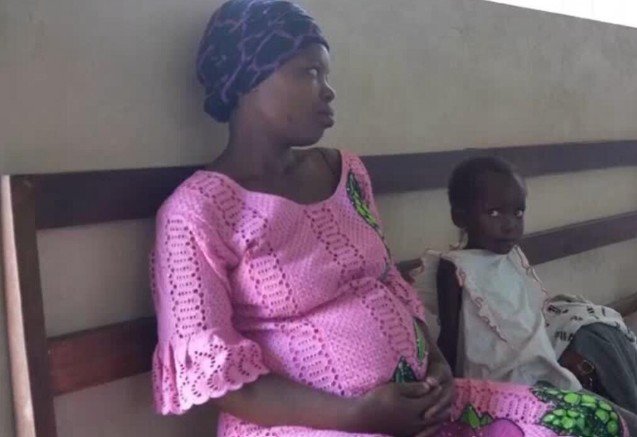
Congo, Aug 03 : The ongoing Ebola outbreak in eastern Democratic Republic of the Congo is triggering a growing maternal health emergency, as fear and misinformation discourage pregnant women from seeking essential medical care. Health officials warn that delayed treatment and reduced access to healthcare are contributing to a significant rise in pregnancy related deaths across the affected region.
In Bunia, the capital of Ituri province and the epicentre of the outbreak declared in May, many expectant mothers have stopped attending prenatal appointments due to concerns that common symptoms such as fever could lead to immediate isolation. The misconception has spread rapidly through communities, prompting many women to remain at home despite the risks associated with pregnancy and childbirth.
According to the United Nations Population Fund (UNFPA), maternal deaths in Ituri have nearly doubled since the outbreak began. Weekly fatalities linked to childbirth complications increased from an average of 3.1 before the outbreak to 5.8 during the weeks following its declaration. Deaths occurring outside healthcare facilities have also risen sharply, reflecting the growing reluctance to seek professional medical assistance.
The situation is worsening in a country that already records one of the world’s highest maternal mortality rates. Congo reports nearly six births per woman on average, while thousands of women die annually from pregnancy related complications. Health experts fear the current outbreak could reverse years of progress in improving maternal healthcare.
Medical facilities across the affected provinces are struggling under the pressure of the Ebola response. Hospitals have redirected staff, equipment and resources toward containing the outbreak, leaving fewer services available for prenatal care and safe deliveries. The crisis has been intensified by attacks on healthcare centres, unpaid medical workers and shortages of essential supplies.
Doctors in Bunia report a dramatic fall in the number of women registering for prenatal care. Facilities that previously treated dozens of expectant mothers every month are now seeing only a fraction of those patients, as misinformation continues to discourage hospital visits.
Public health experts say women face a dual threat during the outbreak. Besides the possibility of Ebola infection, delaying routine pregnancy care significantly increases the risk of life-threatening complications for both mothers and newborns. Pregnant women infected with the virus are also more vulnerable to miscarriage and other serious health complications.
Aid agencies and healthcare workers are urging communities to rely on verified medical information and continue accessing maternal health services. They stress that restoring public confidence in hospitals is essential to preventing further avoidable deaths while the country continues its fight against one of the fastest-growing Ebola outbreaks in recent years.

