


RBI Cuts FY27 Inflation Forecast to 5% as Lower Crude Prices Ease Cost Pressures
Central bank trims inflation outlook as easing crude prices provide relief, while warning that food and fuel costs could keep price pressures elevated in the coming months.
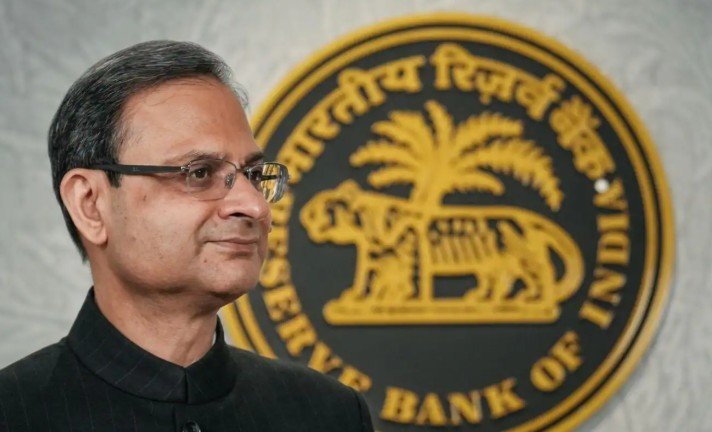
Mumbai: The Reserve Bank of India (RBI) has revised its inflation outlook for the financial year 2026-27, lowering the forecast to 5% from the 5.1% projected during its June monetary policy review. The decision reflects easing global crude oil prices and improving supply-side conditions, even as the central bank remains cautious about persistent food and fuel related risks.
Announcing the Monetary Policy Committee’s (MPC) decision, RBI Governor Sanjay Malhotra said inflation during the first quarter turned out to be slightly lower than expected, indicating that higher input costs have not yet translated into widespread price increases across the economy.
The revised quarterly projections place inflation at 4.1% in the first quarter, 4.7% in the second, 5.9% in the third, and 5.5% in the final quarter of FY27. The RBI expects inflation to peak during the third quarter before gradually easing as supply conditions improve.
The central bank also reduced its core inflation estimate for FY27 to 4.3%, compared with the earlier projection of 4.7%. According to the RBI, underlying inflationary pressures remain contained despite temporary increases in food and fuel prices.
Governor Malhotra noted that the recent rise in headline inflation has been driven primarily by food and energy costs rather than broad-based demand pressures. He added that core inflation, excluding precious metals, has remained relatively stable and is expected to align with overall inflation by the end of the financial year.
Despite revising its inflation outlook, the six-member MPC decided to keep the repo rate unchanged at 5.25% for the fourth consecutive policy review while maintaining its neutral monetary policy stance. The central bank indicated that it will continue monitoring domestic and global developments before making any changes to interest rates.
Retail inflation climbed to 4.38% in June from 3.93% in May, exceeding the RBI’s medium-term target of 4% for the first time in 17 months. Rising food prices, higher fuel costs, geopolitical tensions in West Asia, and weaker monsoon conditions contributed to the increase. Food inflation crossed the 5% mark during the month, while transport costs accelerated as fuel price increases filtered through to consumers.
The finance ministry has also cautioned that inflationary pressures are spreading beyond food items, with elevated energy prices and adverse weather conditions affecting a wider range of goods and services.
Meanwhile, the Indian rupee experienced volatility during July amid higher crude oil prices and global geopolitical uncertainties, although it has recovered some of its earlier losses in recent weeks.
Governor Malhotra reiterated that maintaining price stability remains the RBI’s foremost priority. He also defended recent policy measures aimed at attracting overseas capital, noting that they have helped mobilise nearly $32 billion, largely through Foreign Currency Non-Resident (Bank) deposits.
Economists had anticipated a downward revision in the inflation forecast, with several global financial institutions pointing to softer international oil prices as a key factor. However, analysts continue to warn that sustained geopolitical tensions and elevated energy costs could limit further moderation in inflation.
Businesses are also preparing for another round of price increases ahead of the festive season as higher input costs continue to squeeze margins. Manufacturers across sectors, including consumer goods and household appliances, have already announced price revisions, raising concerns that inflationary pressures could intensify if demand remains strong during the August to November festival period.
The RBI has maintained that while the inflation outlook has improved modestly, it will remain vigilant and continue balancing the objectives of price stability and economic growth as new economic data emerges.

