


Bombay High Court Convicts Tarun Tejpal in 2013 Sexual Assault Case, Reverses Acquittal
Goa bench overturns 2021 trial court verdict; sentencing to be pronounced separately as Tejpal plans Supreme Court appeal.
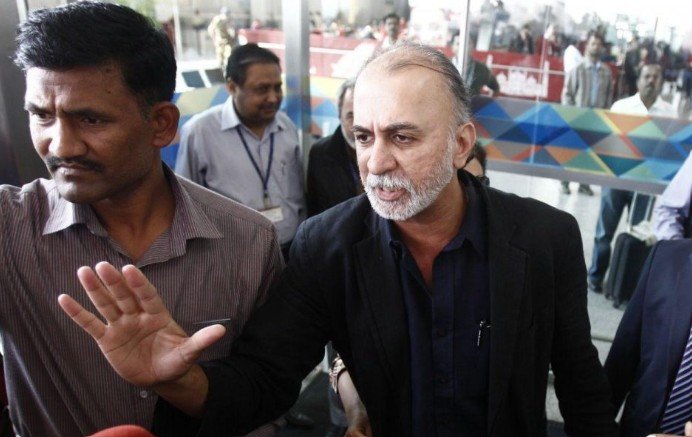
Panaji, Aug. 6: In a significant ruling, the Bombay High Court on Thursday convicted former Tehelka editor Tarun Tejpal in the 2013 sexual assault case, overturning the acquittal granted by a Goa sessions court in 2021. The judgment marks a major development in one of India’s most closely followed criminal cases involving workplace sexual misconduct.
A division bench comprising Justices Neela Gokhale and Amit Jamsandekar of the High Court’s Goa bench held that the earlier acquittal could not be sustained and declared Tejpal guilty under multiple provisions of the Indian Penal Code. The court stated that the order of the trial court stood set aside and that the accused was convicted.
Tejpal has been found guilty under IPC Sections 376(2)(f), relating to rape by a person in a position of trust or authority, along with Sections 354(a) and 354(b), which deal with sexual harassment and assault with intent to disrobe. The conviction under Section 376 carries a minimum sentence of 10 years’ imprisonment and may extend to life imprisonment.
Following the verdict, Tejpal requested the court to show leniency during sentencing, citing his age, family responsibilities and personal circumstances. He also maintained that he intended to challenge the High Court’s decision before the Supreme Court.
His counsel sought the minimum prescribed punishment and requested suspension of both the conviction and sentence for several weeks to enable the filing of an appeal before the apex court. Tejpal later confirmed outside the courtroom that he would pursue legal remedies before the Supreme Court.
Representing the Goa government, Solicitor General Tushar Mehta urged the court to impose the maximum punishment, arguing that the offence involved an abuse of authority and betrayal of trust. He submitted that the victim was not only a colleague but also known to Tejpal’s family, making the circumstances particularly serious.
Mehta further argued that the conduct attributed to the convict reflected a lack of remorse and emphasised the need for a strong judicial message reinforcing the principle that consent cannot be ignored. He also criticised the reasoning adopted by the trial court, contending that survivors of sexual assault cannot be expected to react according to predetermined social assumptions.
The case stems from allegations made by a former junior colleague, who accused Tejpal of sexually assaulting her inside a hotel elevator during the ThinkFest event held in Goa in November 2013. After the sessions court acquitted him in 2021, the Goa government challenged the verdict before the Bombay High Court, leading to Thursday’s conviction.

