


Rebuilding Flood-Hit Rajouri
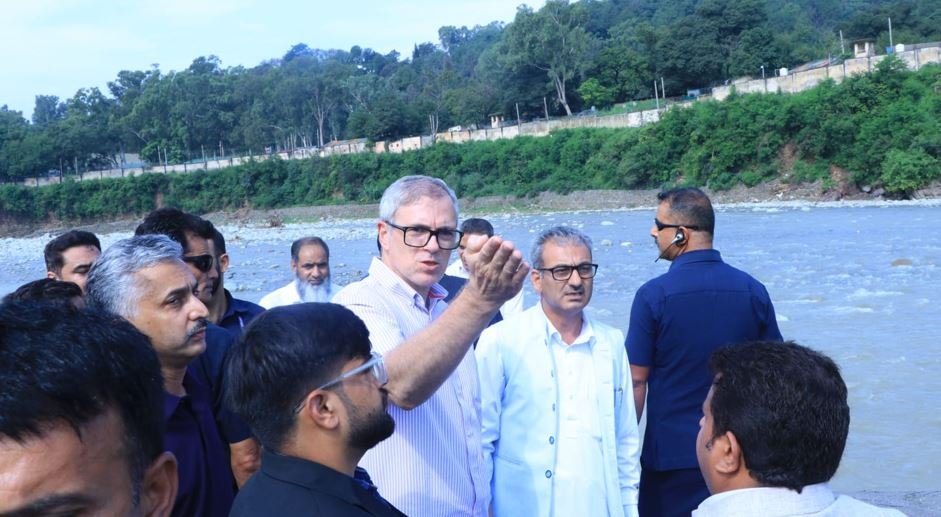
The flash floods that struck Rajouri in July have left behind a trail of grief and destruction. Lives were lost, roads were washed away, public buildings were damaged and livelihoods were disrupted. For the families caught in the disaster, recovery is not simply about repairing infrastructure. It is about rebuilding a sense of safety, dignity and hope.
Chief Minister Omar Abdullah’s visit to the affected areas was a timely and reassuring gesture. By meeting bereaved families, inspecting damaged sites and listening directly to local residents, he brought the Government closer to those facing the consequences of the floods. Such visits carry meaning because they allow decisions to be guided by ground realities rather than by reports prepared inside offices. The loss of Abdul Ghani, a daily-wage worker with the Jal Shakti Department, is particularly painful. He was swept away while performing night duty at a pumping station in Kote Behrote. He died while serving the public, and his family must not be left struggling for assistance. The Government should ensure timely compensation, welfare support and long-term financial security for those who depended upon him. The families of Javed Iqbal, Vikas Choudhary, Shahida Parveen and other victims have suffered losses beyond measure. No amount of money can replace a loved one, but fair and immediate relief can prevent further hardship. These families should not have to make repeated visits to Government offices or wait for files to move through departments before receiving the assistance promised to them. The destruction of nearly 200 metres of Circular Road has severely affected local connectivity. In a hill district such as Rajouri, roads are lifelines. They connect villages to hospitals, schools, markets and administrative centres. Rebuilding the damaged stretch must therefore involve more than temporary repairs. Engineers must examine drainage, slope stability, floodwater movement and the need for protective structures before work begins. The damage at Aitey and Bela Bus Stand has also affected local trade, transport and daily movement. The bus stand is not merely a public facility. It supports drivers, shopkeepers, transport operators, labourers and hundreds of families linked to the local economy. Restoration must be carried out quickly, but affected traders and workers should also receive support to restart their businesses and regain their incomes. The declaration of the Deputy Commissioner’s office as unsafe shows how seriously the floods have damaged the district’s administrative infrastructure. Government offices must remain functional during emergencies because they coordinate relief, public services and recovery efforts. Safe temporary arrangements are essential, followed by a professionally designed reconstruction plan capable of withstanding future extreme weather. The district administration, police and field departments deserve appreciation for working under difficult conditions. Their efforts helped restore access, assist affected residents and prevent further hardship. But emergency response is only the beginning. The real challenge is to ensure that support continues after public attention moves elsewhere. Every affected home, business and public facility must be surveyed fairly. Compensation procedures should be simple, transparent and time-bound. People already burdened by grief and financial loss should not be asked to produce unnecessary documents or move endlessly between offices. The administration should publicly share restoration timelines and regularly update residents on progress. Senior officers must inspect work on the ground rather than depend entirely on written reports. Local representatives and community members should also be involved in verifying completed projects. Rajouri now requires a wider plan for disaster resilience. Vulnerable settlements, roads and public buildings must be scientifically mapped. Flood channels should remain free from unsafe construction, drainage systems must be improved and protective works should be strengthened at high-risk locations. The district also needs reliable warning systems, emergency shelters, evacuation routes and trained community volunteers. Disaster preparedness cannot remain limited to official files or occasional exercises. It must become part of everyday administration in a region increasingly exposed to unpredictable weather. The Government’s assurance of relief and rehabilitation is welcome, but people will judge it by results. Rajouri cannot afford hurried repairs that fail during the next heavy rainfall. It needs safer roads, stronger public buildings, protected settlements and better-prepared institutions.
The Chief Minister’s visit has conveyed sympathy and political attention. The administration must now ensure that this concern remains visible after the cameras leave. The people of Rajouri deserve not only recovery from the present tragedy, but stronger protection against the next one. That will require compassion, speed, accountability and the determination to rebuild wisely.

